Samsung Galaxy Foldables and Flip Phones Advanced Mobile Technology for Modern Users
📱 Fold, flip, and connect: Samsung foldable phones bring tablet-sized screens, compact design, and a shared AI layer into one lineup.

Lena Ashford
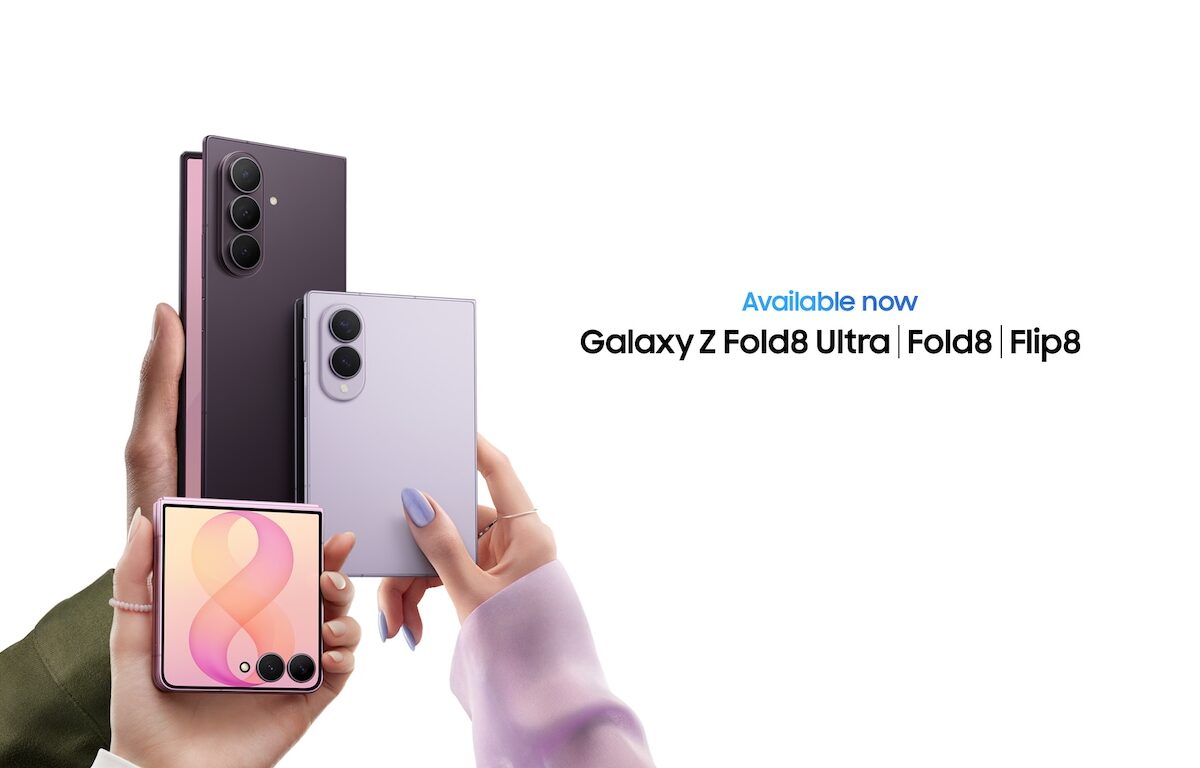
Samsung foldable phones have moved from novelty to a defined product category, built around form factors that unfold, flip, and adapt to different tasks. The Galaxy Z Fold and Galaxy Z Flip lines sit inside a wider mobile lineup that also includes tablets and wearables, all tied together by a shared software layer and a single account system. This overview looks at the current hardware, the software that connects it, and the retail and support programs built around these devices.
Galaxy Z Fold8 and Fold8 Ultra: Large-Screen Foldable Tablets
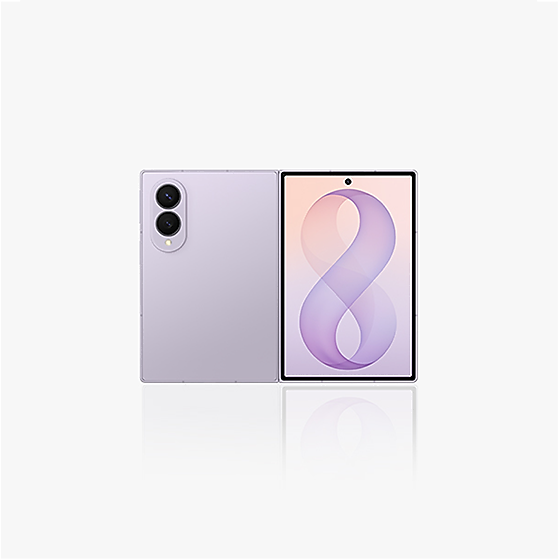
The Galaxy Z Fold8 and Galaxy Z Fold8 Ultra represent the large-screen end of Samsung foldable phones, opening into a tablet-sized display from a phone-sized body. It positions these devices as tools for multitasking, with a folding screen meant to replace carrying a separate tablet for many users. The Fold8 Ultra sits above the standard Fold8 in the same family, giving buyers a choice within the large-screen foldable segment rather than a single fixed configuration.
Both models are sold directly through Samsung, with configurable storage and color options at checkout. This matters because foldable hardware is only part of the decision. The way a buyer configures storage, connectivity, and trade-in alongside the purchase shapes the overall ownership experience just as much as the hinge mechanism itself.
Galaxy Z Flip8: Compact Flip Phone Innovation
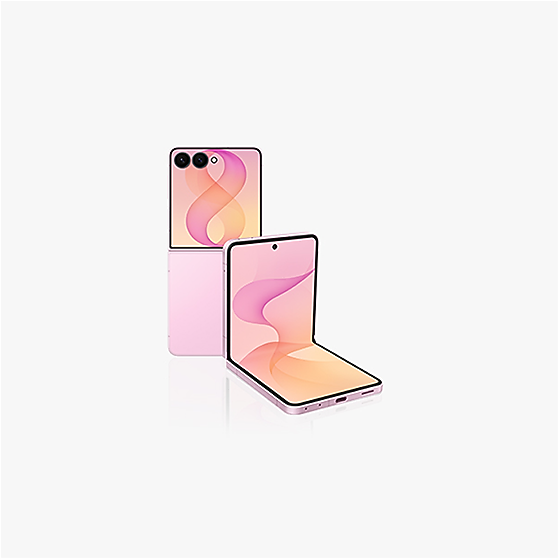
The Galaxy Z Flip8 takes the opposite approach to the Fold line, folding vertically into a compact shape rather than unfolding into a larger one. It represents the flip phone side of Phones, aimed at those who want a smaller everyday footprint without giving up a full-size display when opened. The flip form factor has become a recognizable alternative to the traditional slab smartphone shape that still dominates most of the market.
As with the Fold8 series, the Flip8 is listed and sold through the brand’s own storefront, where available colors and connectivity options can be reviewed before a purchase is completed. The flip and fold lines are marketed together under the same foldable banner, so the two can be compared side by side on the same purchase pages.
Galaxy AI Features Across Foldable Devices
Samsung includes Galaxy AI features across its current device lineup, and the brand states plainly that basic Galaxy AI features are provided free of charge. Future releases may introduce enhanced features or new services that fall outside that free baseline. This distinction matters for anyone comparing foldable phones, since the AI layer is presented as an evolving part of the software rather than a one-time fixed package.
Because Galaxy AI runs across the broader device range, not just one phone, it ties the Fold, Flip, tablet, and wearable lines into a shared software experience. That consistency is part of what gets highlighted when describing Samsung foldable phones as an extension of a larger ecosystem rather than standalone gadgets.
Tab S12 Ultra and Galaxy Watch Ultra2: Complementary Devices in the Ecosystem
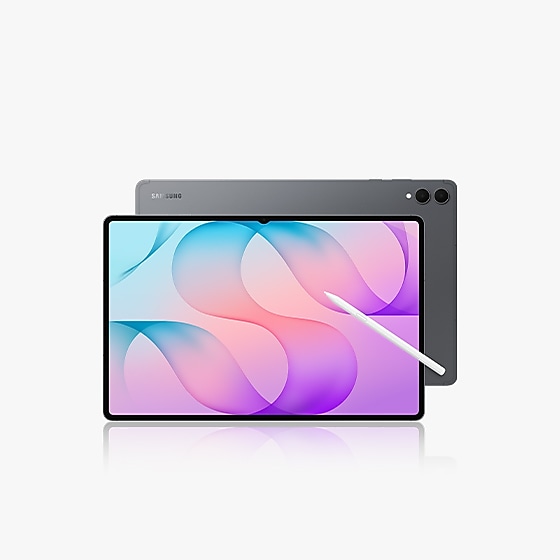
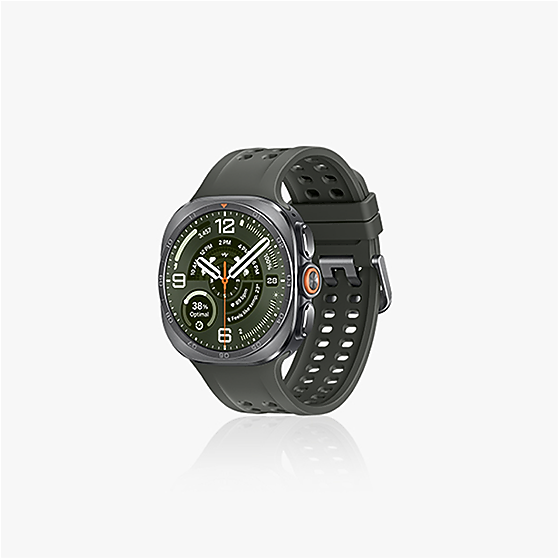
Samsung foldable phones do not exist in isolation on the company’s own storefront. The Tab S12 Ultra and the Galaxy Watch Ultra2 are both featured alongside the Fold8, Fold8 Ultra, and Flip8 as part of the same current device lineup. Each is sold with its own dedicated purchase page, letting a tablet or a watch be added to a foldable phone order in the same shopping session.
This pairing reflects how mobile hardware gets presented generally, as a set of complementary devices rather than a single standalone product. A tablet like the Tab S12 Ultra and a wearable like the Galaxy Watch Ultra2 extend the same account and software features that run on the foldable phones themselves.
Samsung Experience Stores: Hands-On Demonstrations and Expert Guidance
The brand operates Samsung Experience Stores where shoppers can book a personal demo before deciding on a device. The brand’s own site invites visitors to log in with an account or continue as a guest to arrange this kind of in-person session. For a folding or flipping phone, where the hinge and display behave differently from a conventional handset, a hands-on look before purchase is a meaningful part of the shopping process.
- The Galaxy Z Fold8 and Galaxy Z Fold8 Ultra open into a larger tablet-style display from within a standard phone body.
- The Galaxy Z Flip8 folds vertically into a compact shape while retaining a full display when opened.
- Galaxy AI basic features are included at no extra charge across supported current-generation devices.
- The Tab S12 Ultra and Galaxy Watch Ultra2 are sold alongside the foldable phones as part of the same current lineup.
- Samsung Experience Stores allow shoppers to book a personal demo and get hands-on time with the foldable hardware.
Trade-In Programs and Samsung Care+ Protection
Product pages reference trade-in options for shoppers looking to put an existing device toward a new purchase, including foldable models. This is presented as part of the standard buying flow rather than a separate, occasional promotion. Combined with direct purchase options and the Buy Direct Get More benefits listed on the storefront, it gives a straightforward path from an older phone into one of the newer Samsung foldable phones.
Smart Switch is also promoted as a tool for moving data onto a new device, which fits naturally into the same upgrade process as a trade-in. Together, these programs are framed as support for the practical side of adopting a new form factor, not just the hardware purchase itself.
Foldable and flip form factors continue to expand within a broader mobile lineup, where tablets, wearables, and a shared AI layer sit side by side rather than as separate purchases. The direction suggests these devices are settling into an established category of their own.