Bershka Women’s and Men’s Fashion Comparing the Brand’s Core Collections
👗 Women's and men's fashion, two distinct paths and one shared Bershka storefront to explore.

Lena Ashford
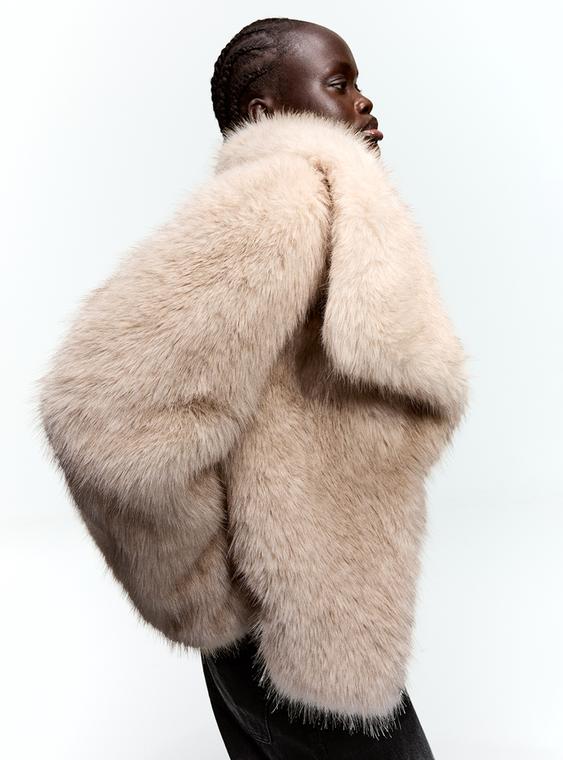
Shopping for clothes online often means choosing a side before anything else, and Bershka women’s and men’s fashion is built around exactly that choice. The retailer divides its store into a women’s path and a men’s path from the homepage, and each path opens onto its own run of categories, from denim to outerwear to footwear. This piece looks at how those two sides are organized, what each one emphasizes, and what a shopper actually encounters once browsing starts.
Understanding Bershka’s Dual Collection Structure for Men and Women
Bershka’s official store opens with two clearly marked entry points, one labeled for women and one for men, before any browsing begins. That early fork shapes everything downstream, since navigation, categories, and landing pages differ depending on which side gets selected. A shopper looking for a denim jacket is routed into a different category tree than someone looking for a pleated skirt, even though both items might belong to the same seasonal push. In a catalog this wide, separating the two wardrobes early means fewer wrong turns later, since a search started on one side will not mix dresses into a list of men’s trousers.
This division also runs across regions, since Bershka maintains localized versions of its store for a long list of countries and language settings. A shopper picks a location and a language before the catalog loads. That regional layer works alongside the gender split rather than replacing it, so someone browsing from a different country still lands on the same two-path layout, just with local sizing and language already set.
Core Aesthetic and Design Philosophy Across Bershka’s Lines
Across both sides of the catalog, Bershka presents itself as an online fashion destination rather than a single-category label. The site frames its offering as a new collection for men and women, pointing to clothing that gets refreshed rather than fixed into one unchanging lineup. For a shopper, that plays out concretely, since a return visit to the same category a few weeks later is unlikely to show the exact same items as before.
Because the brand does not publish a separate design manifesto, its identity comes through more in how the catalog is arranged than in any written mission statement. Both collections share a single account system and checkout, which signals one retail identity even as the clothing itself stays split by gender. That shared backend lets a shopper place a women’s order and a men’s order without opening a second account.
Women’s Fashion at Bershka: Silhouettes, Fabrics, and Seasonal Trends
The women’s side of the store is reachable directly from the homepage link to fashion for women. Once inside, the categories cover a range typical of a general fashion retailer, including dresses, tops, denim, knitwear, and outerwear, alongside footwear and accessories. A shopper looking for a slip dress for an evening out and another after a plain cotton tee for everyday wear both move through the same women’s entry point, just into different category pages.
Seasonal shifts show up in which categories get the most prominent placement, with outerwear and knitwear taking a larger share of the layout as the weather turns and lighter dresses stepping back. A shopper opening the site in colder months is more likely to land on a coat or a knit sweater first, rather than scrolling past them to reach summer pieces. What stays constant is the entry point itself, a women’s path that remains distinct from the men’s navigation from the very first click.
Men’s Fashion at Bershka: Cut, Versatility, and Styling Approach
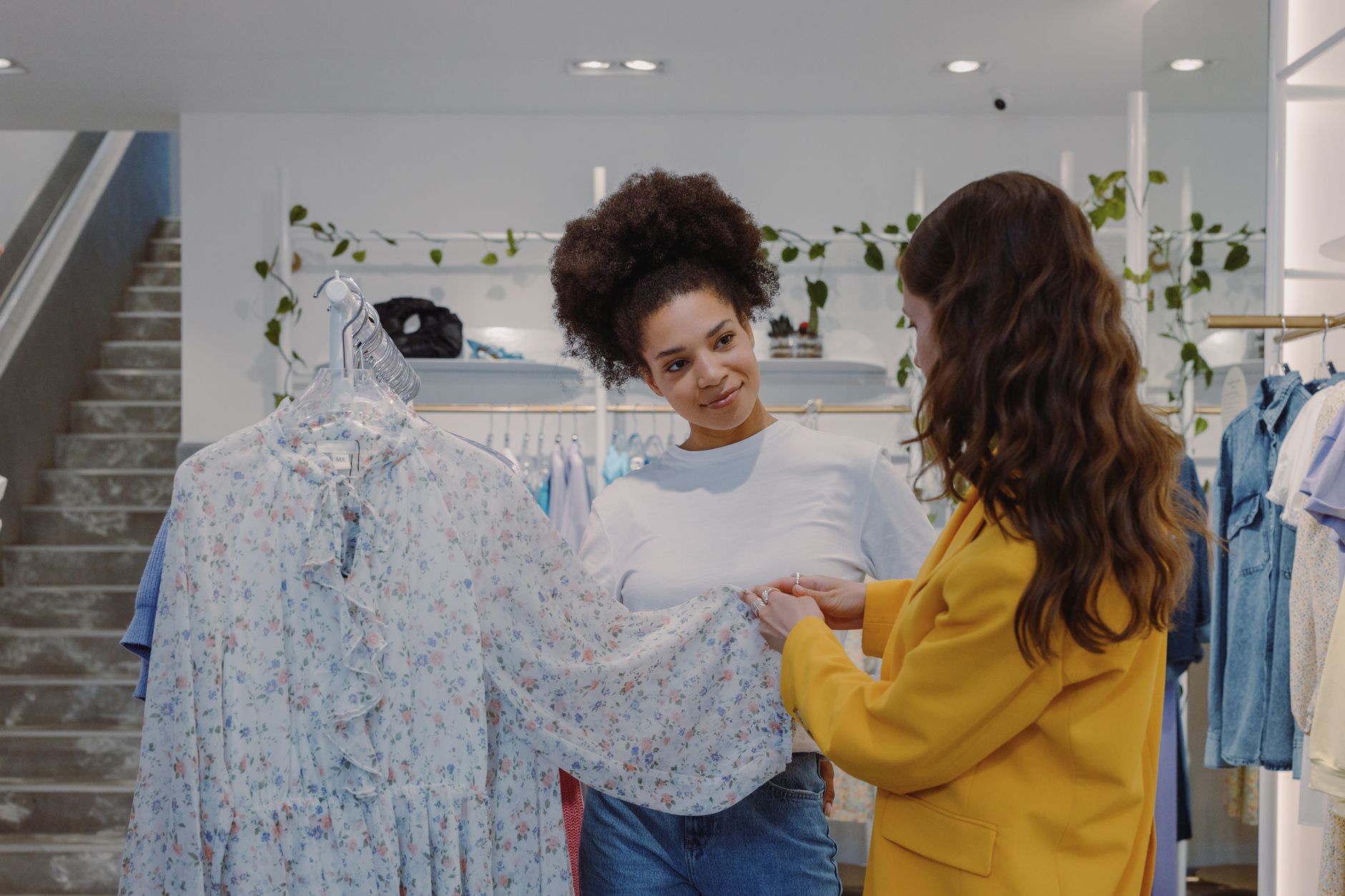
The men’s section mirrors that logic with its own dedicated link from the homepage. Bershka gives men’s fashion equal footing in the navigation, rather than folding it in as a secondary category underneath womenswear. Inside, the categories run from basic tees and shirts to denim, trousers, jackets, and footwear, covering both everyday basics and more styled pieces for a specific occasion.
As on the women’s side, the men’s catalog is arranged for browsing by category rather than by a single curated edit. A shopper after a plain hoodie for daily wear and another after a tailored shirt for a going-out look both start from the same men’s homepage link, then split into different sections within seconds. That breadth lets a single visit cover both a wardrobe refresh and a one-off outfit search without needing a separate storefront.
How Bershka Collections Overlap and Differentiate
Where the women’s and men’s lines overlap is mostly in how they are built, not in what they sell. Both rely on the same location and language selector and the same overall store identity, and both get framed as a current, regularly refreshed collection rather than a fixed archive. That shared foundation is part of why neither side reads as an afterthought to the other.
Where the two differ is in the navigation itself and in the garments on offer. Clicking into fashion for women versus fashion for men leads to separate category trees from that first click onward, and specific silhouettes, like dresses versus tailored trousers, do not cross over between the two. In effect, two separate catalogs share one storefront and one checkout, which means a shopper buying for two different people can still finish in a single order.
Navigating the Full Bershka Catalog: From Basics to Statement Pieces
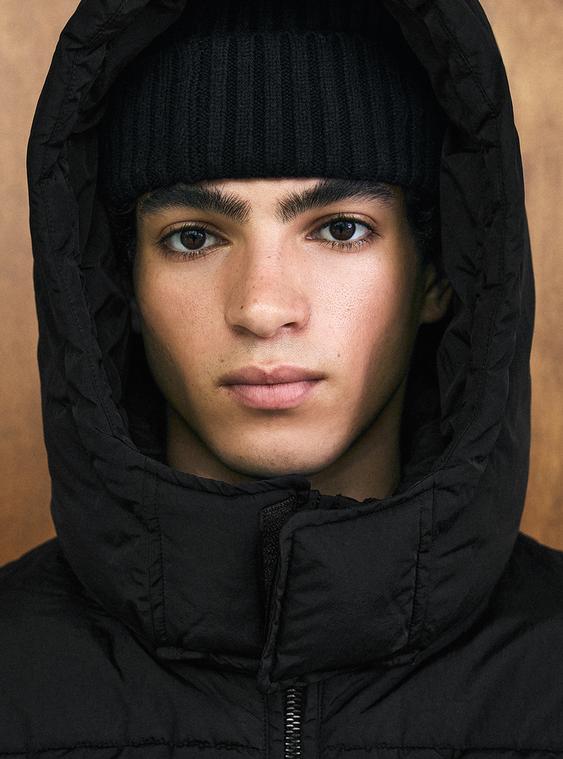
Finding a specific type of item inside Bershka women’s and men’s fashion generally starts with choosing the correct gender path from the homepage, then narrowing down by category once inside. Because the store spans so many localized versions, from Europe to Latin America to parts of Asia and the Middle East, exact navigation labels can shift slightly by region while the underlying layout stays recognizable. That consistency is what makes the catalog easy to move through no matter which country’s version has loaded.
- Everyday tops and tees appear across both the women’s and men’s paths as a recurring wardrobe basic.
- Denim and trousers form another shared category, stocked separately within each gender’s section.
- Outerwear, including jackets and layering pieces, sits within both collections as the seasons shift.
- Footwear is organized as its own distinct category on each side of the store.
- Accessories round out both catalogs, offering a way to finish a look beyond clothing alone.
For anyone exploring the retailer directly, the full range of Bershka women’s and men’s fashion can be browsed from its official online store. That starting point remains the most direct way to see how the two collections are currently arranged and what has changed since a last visit.
Closing Thought
Two distinct wardrobes, one shared storefront, is the simplest way to sum up how this catalog works.