Common Myths About Organic Cotton Bedding Debunked
🛏️ Scratchy, flimsy, overpriced? Boll & Branch's organic cotton lineup quietly debunks the biggest bedding myths out there.

Lena Ashford
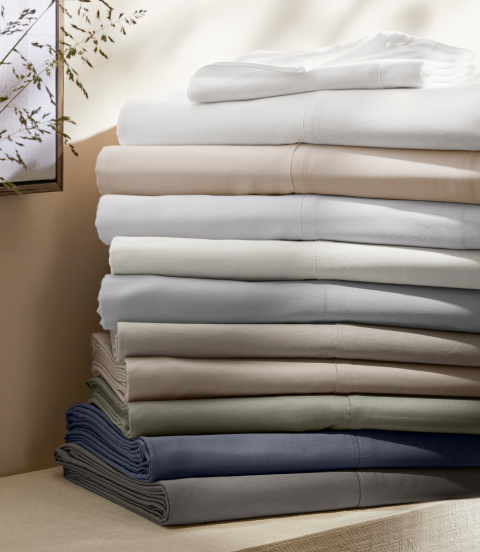
Organic cotton bedding myths tend to circulate because shoppers rarely get to touch a sheet before buying it online. Assumptions about rough texture, high upkeep, or weak environmental value get repeated so often they start to sound like fact. Looking at what Boll & Branch actually produces, from weave type to certification, clears up a lot of that confusion.
Myth: Organic Cotton Bedding Is Always Scratchy and Uncomfortable
A common assumption is that anything labeled organic skips softness in favor of being eco-friendly. That idea doesn’t hold up against Boll & Branch’s lineup, which includes a Signature Weave described as buttery-soft alongside crisper percale options. Shoppers choosing between a smooth sateen-style feel and a lighter, breathable weave are picking a texture preference, not trading comfort for organic status. The material itself, 100% organic cotton, is the starting point for every finish the brand offers.
Understanding Boll & Branch’s Signature, Flannel, and Percale Fabrics
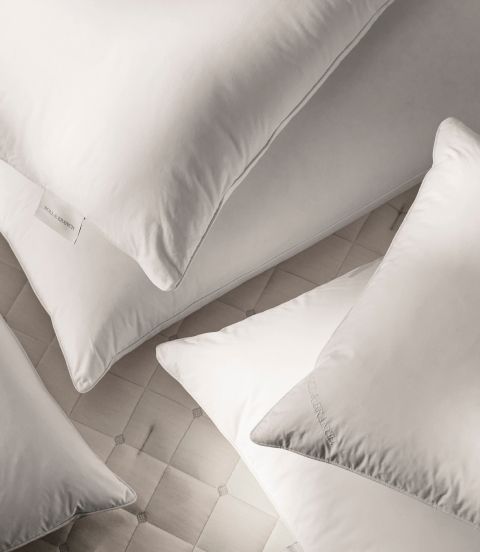
Boll & Branch organizes its organic sheets into a handful of distinct fabric lines rather than a single uniform product. The Signature Hemmed Sheet Set and Signature Vintage Washed Sheet Set sit alongside the Percale Hemmed Sheet Set, each offering a different hand feel and weight. Flannel sheets round out the range for cooler-weather sleeping, while a Linen Sheet Set offers a more textured, relaxed drape. On top of that, fitted sheets across these lines come with deep pockets, which matters for anyone comparing claims about fit and bedding stability.
Misconception: Organic Means Less Durable or Shorter-Lasting

Another persistent belief is that organic fibers wear out faster than conventional ones. The brand’s product pages describe its cotton as long-staple, a quality associated in the category with stronger, more cohesive threads. Boll & Branch also notes that its cotton is traceable from farm to finish, a detail that speaks to sourcing transparency rather than shortcuts in processing. None of this proves a specific lifespan figure, but it does contradict the idea that organic fiber is inherently flimsier by design.
The Truth About Toxin-Free Certification and Fair Trade Standards

Certification claims are where a lot of organic cotton bedding myths actually originate, since terms like “organic” and “Fair Trade” get used loosely across the industry. Boll & Branch states plainly that its bedding is toxin-free and Fair Trade Certified, which are two distinct claims covering different parts of production. Toxin-free speaks to what isn’t present in the finished fabric, while Fair Trade Certified relates to labor standards behind the product. Keeping those two ideas separate helps explain why certification language matters more than a generic “eco” label.
Why Organic Cotton Isn’t Just a Marketing Gimmick
Skeptics sometimes treat the word organic as a premium sticker rather than a meaningful production choice. Boll & Branch‘s own collection pages describe cotton bedding made free from toxins, with design details that carry through comforters, duvets, and bed blankets, not just flagship sheet sets. That consistency across categories, from the Elysian Cotton Cashmere Collection to standard percale and linen lines, suggests the organic standard applies across the catalog rather than a single showcase item. A single flagship product wrapped in organic language would be easier to dismiss as marketing; a full range built the same way is a different claim entirely.
Real Performance: How Organic Sheets Actually Feel Over Time
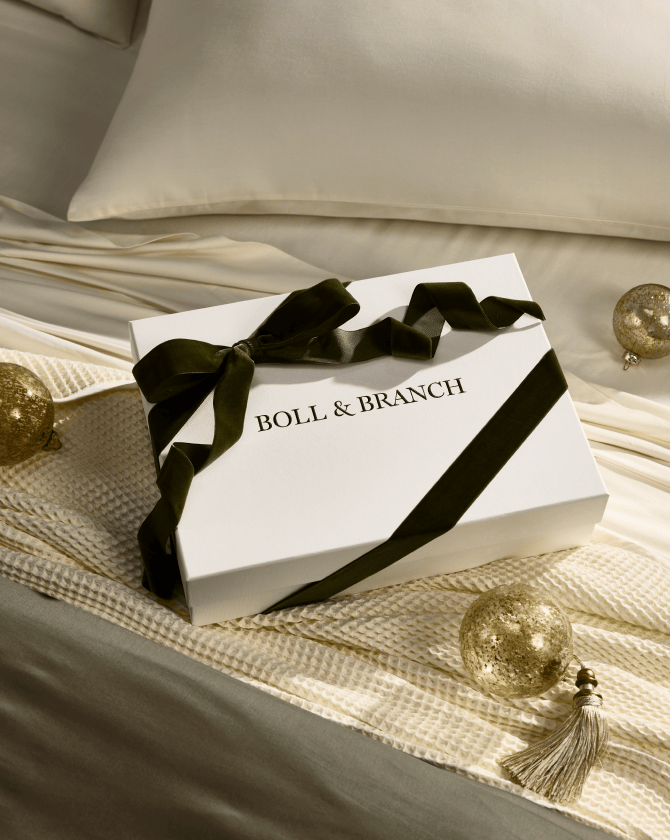
Judging organic cotton bedding by a single touch in a showroom misses how fabric behaves across repeated washes and nights of use. Boll & Branch’s Vintage Washed finish, for instance, is positioned specifically around a pre-softened feel, which signals that texture changes over time are part of the product design rather than a flaw. Breathability, mentioned across the brand’s flat sheet and fitted sheet pages, is also a feature tied to the weave rather than something that fades with laundering. These details matter more than a first impression when comparing organic claims against everyday use.
- Some shoppers assume organic cotton sheets only come in one rough, basic weave, yet Boll & Branch lists Signature, percale, flannel, and linen options.
- Many people think organic bedding skips deep pockets and proper tailoring, but the brand’s fitted sheets are built with deep pockets as standard.
- A frequent assumption is that organic claims are self-declared, while Boll & Branch points to actual Fair Trade Certification as a verifiable standard.
- Some buyers believe organic cotton can’t be part of a blended fabric, yet the Elysian Cotton Cashmere Collection combines organic Turkish cotton with cashmere.
- Others assume color options are limited in organic lines, though Boll & Branch’s color guide spans numerous shades across its sheet sets.
None of this means every claim about organic cotton bedding is automatically true, and shoppers still benefit from checking certifications and fabric names before buying. What the Boll & Branch catalog shows is that softness, durability, and certified sourcing aren’t mutually exclusive, which undercuts several of the organic cotton bedding myths that circulate online. Reading the actual weave names and certification labels, rather than relying on assumptions, gives a clearer picture than any generic claim about the category.