Everlane’s Natural Fiber Sweaters Cashmere and Alpaca Distinctions for Elevated Essentials
🧶 Cashmere drape or alpaca density? A closer look at how Everlane builds its natural fiber sweaters to serve different roles in a wardrobe.

Lena Ashford
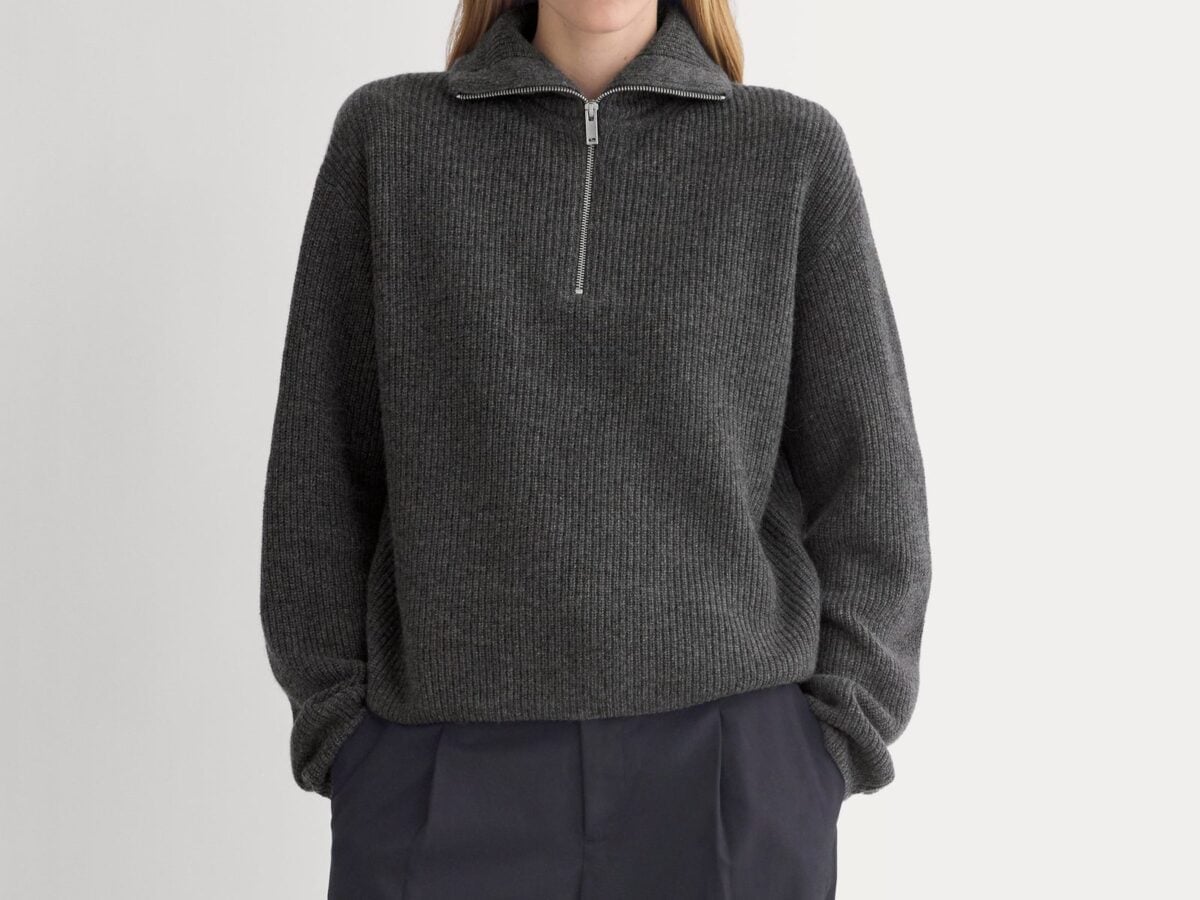
Natural fiber sweaters occupy a particular place in a well-edited wardrobe, especially once a shopper has moved past basic cotton knits and started paying attention to fiber origin and construction. Everlane‘s sweater range leans into that distinction, pairing certified cashmere with certified alpaca in pieces that read as elevated essentials rather than trend items. For shoppers already familiar with the brand, the real question is not whether to buy natural fiber sweaters, but which construction suits which role in rotation.
The Foundation: Everlane’s Commitment to Responsibly Sourced Natural Fibers
Everlane frames its sweater program around sourcing it can document, describing materials, factories, and certifications as verified and traceable. The brand positions natural fibers as a long-standing priority rather than a seasonal pivot, stating plainly that natural has always been its starting point. Cashmere and alpaca both fall under this umbrella, marketed together as Better Sweaters alongside merino and cotton knits.
That shared sourcing standard matters because it sets a baseline before any single piece is considered. Certification and traceability, as the brand describes them, apply across the fiber range rather than to one flagship style. This gives shoppers a consistent starting point when comparing the cashmere and alpaca lines against each other.
Cashmere Half-Zip Construction and Fit Details
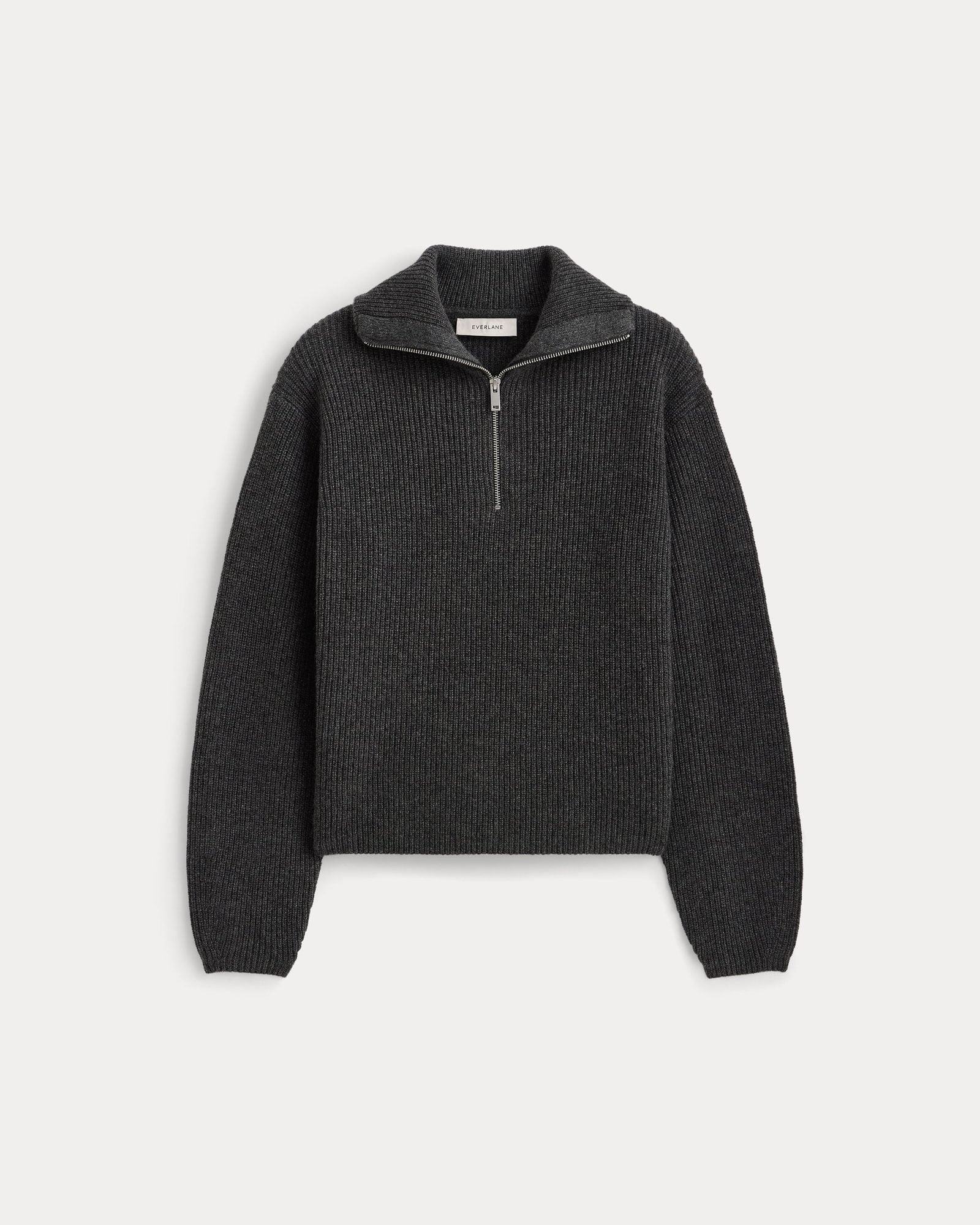
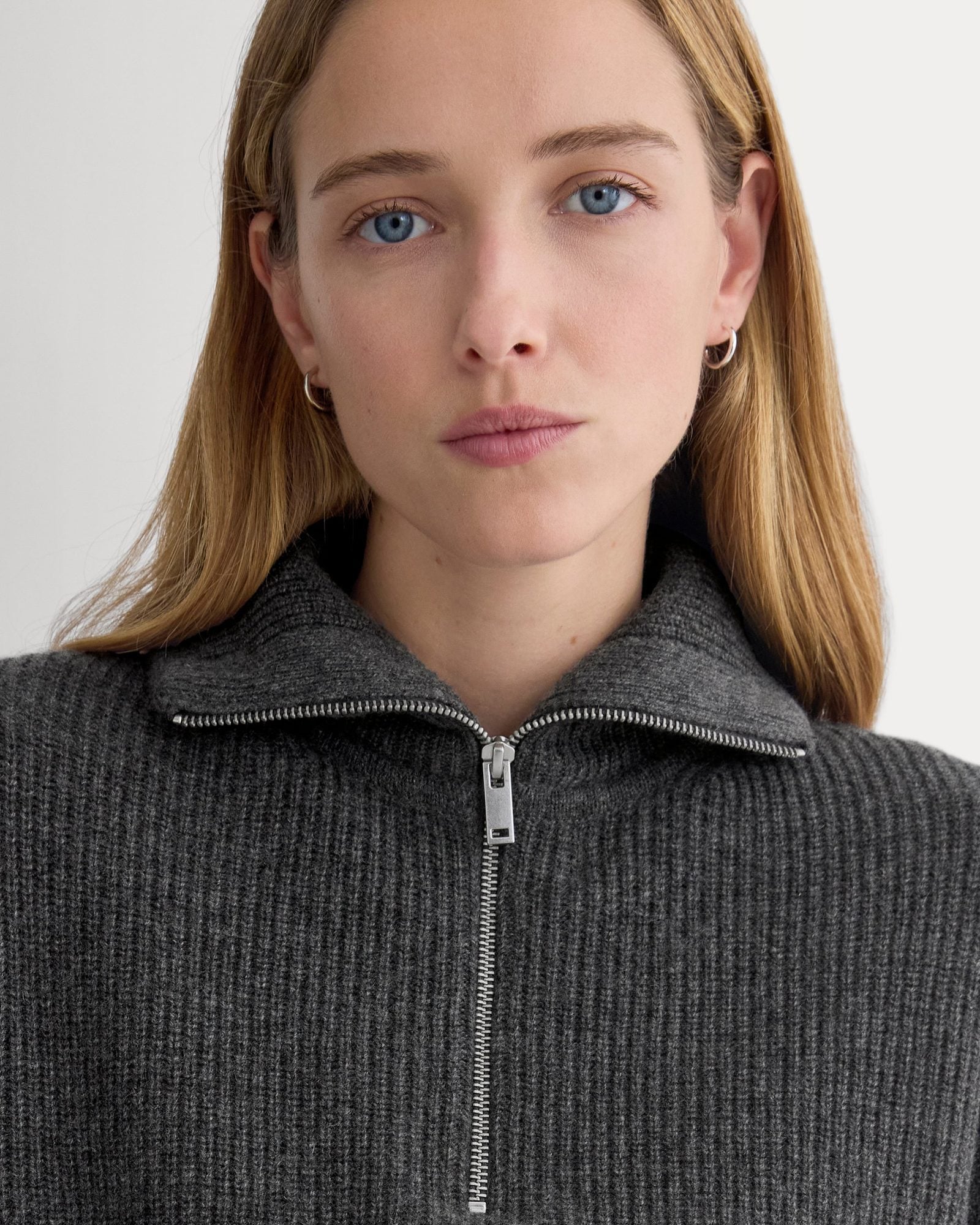
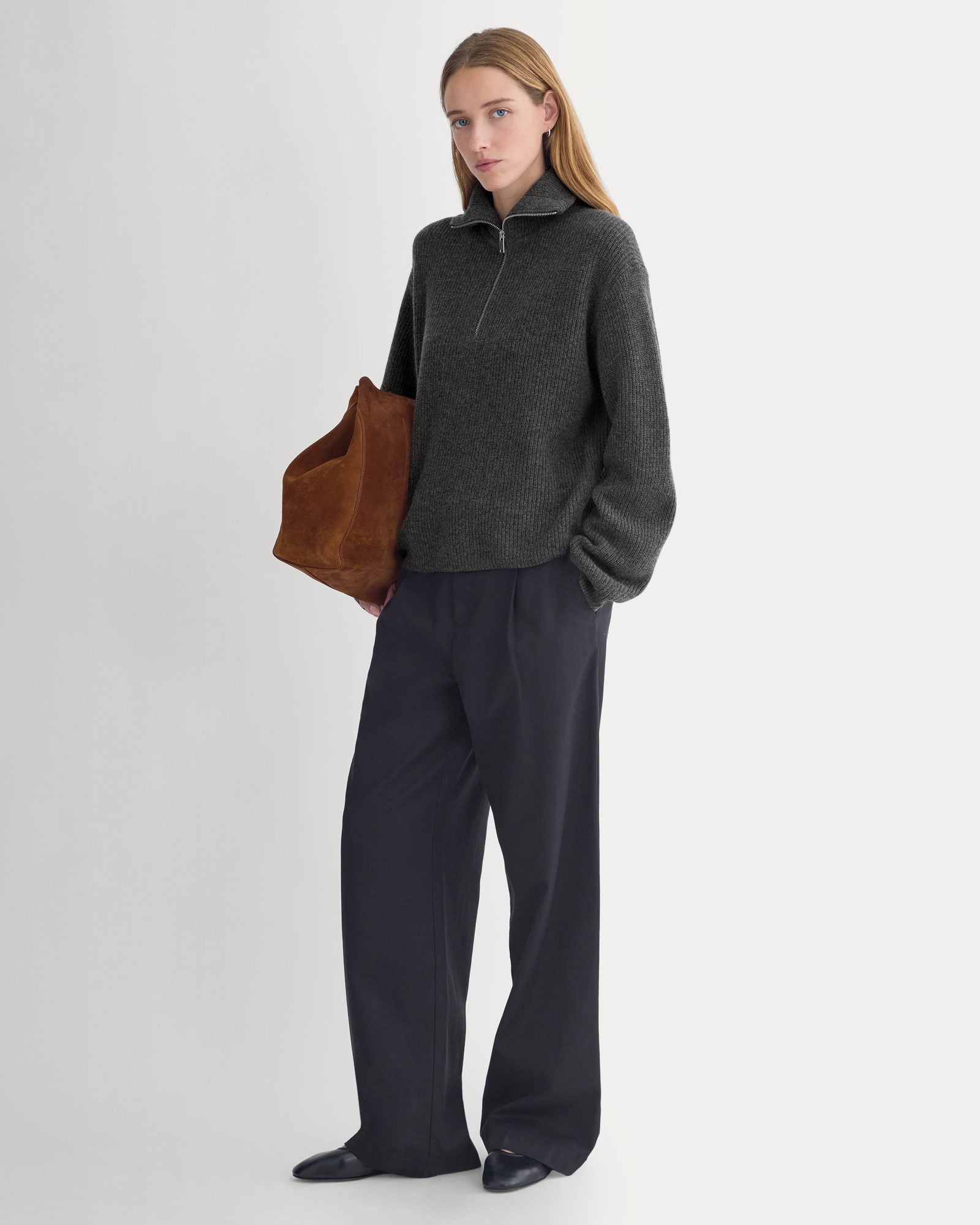
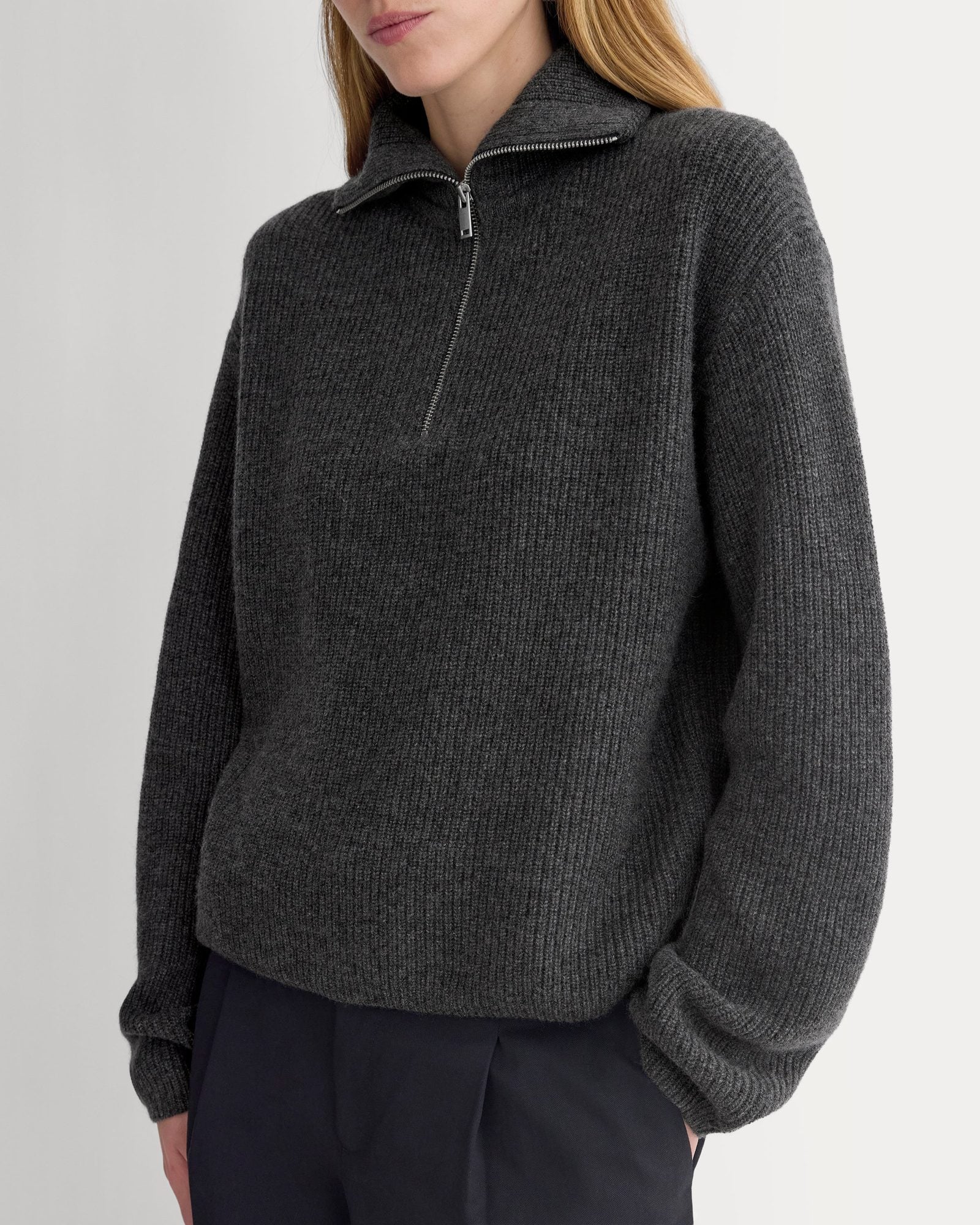
The Cashmere Half-Zip is built from a cashmere blend and cut with an oversized silhouette. It features a funnel neck, dropped shoulders, and a length that falls just below the hip, which gives it a relaxed, outerwear-adjacent profile rather than a close-fitting layer. Everlane offers it across a range of heathered and solid colorways, from Heather Charcoal to Dark Forest and Black.
The dropped shoulder and funnel neck combination changes how the piece sits compared with a standard crewneck cashmere sweater. Because the body falls past the hip, it functions more as a topper than a tucked-in layer. The half-zip detail at the neck also adds a styling option that a pullover knit does not offer, letting the neckline be adjusted rather than fixed.
Crew Vest in Alpaca: Density, Weight, and Texture Differences
The Crew Vest in Alpaca takes a different approach to construction entirely. It is made with three times the yarn used in Everlane‘s regular alpaca styles, producing a noticeably plush and substantial feel. The design includes a high crewneck with double-layer trim, which creates a mock-neck effect at the collar.
That increased yarn density is the defining difference between this piece and a standard knit. Where the cashmere half-zip relies on drape and length for its silhouette, the alpaca vest relies on weight and texture. Everlane suggests wearing it over a long-sleeve tee with corduroy pants, layering it as a textured outer piece rather than a next-to-skin layer.
- The Cashmere Half-Zip uses a cashmere blend yarn designed for drape, which supports its oversized, dropped-shoulder cut.
- The Crew Vest in Alpaca uses three times the yarn of the brand’s regular alpaca styles, resulting in a denser, heavier knit.
- The half-zip’s funnel neck and adjustable zip create a variable neckline, while the vest’s double-layer trim forms a fixed mock-neck effect.
- The half-zip’s below-hip length gives it a longer, layering-friendly silhouette compared with the vest’s cropped, torso-focused cut.
- The vest’s construction prioritizes textural weight, while the half-zip’s construction prioritizes a looser, more fluid drape.
Color and Seasonal Palette Variations Across Natural Fiber Sweaters
Color choices differ noticeably between the two lines. The Cashmere Half-Zip comes in heathered neutrals like Light Heathered Taupe and Light Heather Grey, alongside deeper tones such as Navy, Heather Wine, and Dark Forest. The Crew Vest in Alpaca, by contrast, is offered in Coffee Bean, Heather Rose, and Soft Blue, a smaller and softer palette.
These palette differences shape how each piece fits into a seasonal rotation. The half-zip’s range of heathered neutrals and darker shades supports layering across a wider stretch of cold-weather months. The vest’s softer, more muted colorway options read as accent pieces, built to sit on top of other garments rather than anchor an outfit on their own.
Layering Strategies and Silhouette Compatibility
Because the Cashmere Half-Zip is oversized with dropped shoulders, it works well over a fitted base layer, such as a ribbed long-sleeve top. Its below-hip length means it can replace a light jacket in milder conditions, while its zip allows the neckline to open or close depending on conditions. This flexibility is part of what separates it from a simple pullover.
The Crew Vest in Alpaca, on the other hand, is suggested specifically as a layer over a long-sleeve tee, with corduroy pants mentioned as a pairing to add textural contrast. Its sleeveless construction means it depends on what sits underneath it for warmth at the arms, unlike the half-zip’s full coverage. As a result, the two pieces tend to occupy different positions in a layering sequence rather than competing for the same role.
Building Long-Term Capsule Wardrobe with Both Fiber Types
Everlane markets both the cashmere and alpaca lines as part of a broader sweater collection that also includes cotton and wool knits, organized by fiber on its site. Because natural fiber sweaters from each line serve distinct functions, cashmere for a fluid, below-hip layer and alpaca for a dense, textured topper, they complement rather than duplicate each other in a rotation. That distinction is part of what the brand points to when describing its sweaters as made with intention rather than produced quickly.
Shoppers assembling a longer-term wardrobe around natural fiber sweaters can use the cashmere half-zip as a transitional piece worn over tees or under coats, while reserving the alpaca vest for moments calling for visible texture. The brand’s own gift-guide framing groups cashmere, alpaca, and merino together, suggesting these fiber types are intended to be considered as a set rather than ranked against one another.
As more shoppers look past fiber names toward how a knit is actually built, construction detail is likely to matter more than labels in deciding what earns a place in rotation.