Common Misconceptions About Streetwear Fit and Style with ECKO UNLTD Essentials
👕 Oversized doesn't mean sloppy: the real story behind streetwear fit mistakes, told through ECKO UNLTD's tees, hoodies, and denim.

Lena Ashford
Streetwear fit mistakes rarely come from a lack of effort. A shopper picks up an oversized tee, assumes the loose cut means careless sewing, and skips past the stitching that tells the real story. Someone else layers a camo jacket over a camo hoodie because matching prints feels safer than mixing them, only to find the outfit reads as flat rather than bold. Looking closely at fabric, cut, and finishing across a few core pieces clears up where these streetwear fit mistakes start, and ECKO UNLTD‘s current range offers a useful set of reference points for sorting fact from guesswork.
Oversized Fit Doesn’t Mean Poorly Constructed: Examining the One Hit Heavy Tee and Classic Fleece Hoodie
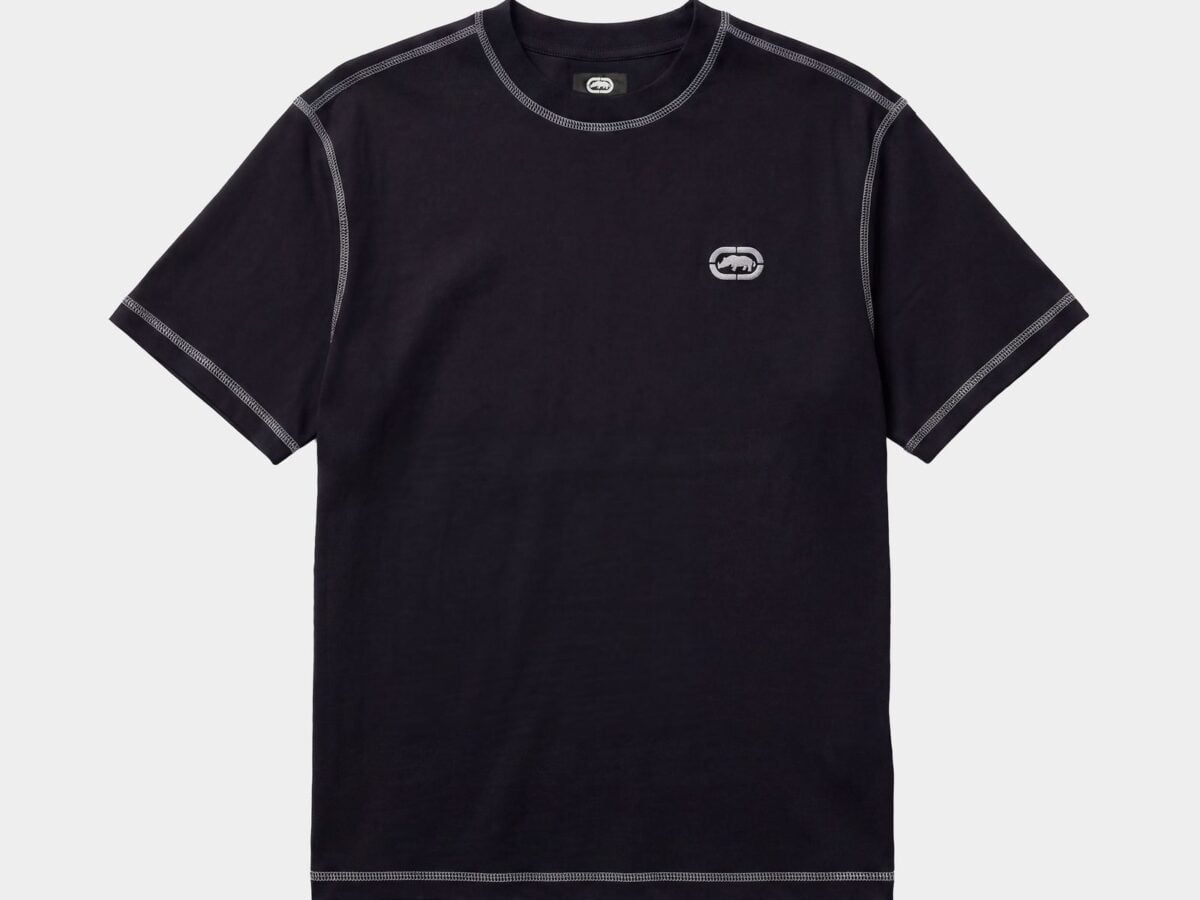
One of the most common mistakes is treating an oversized silhouette as proof of lower quality. The One Hit Heavy Tee from ECKO UNLTD pushes against that idea directly. It is made from a soft cotton blend with contrast stitching running throughout, which gives the garment a defined finish rather than a shapeless one.
The branding stays deliberately small, with a rhino logo placed at the chest instead of an oversized print. That restraint is a design choice, not an afterthought. A classic fit paired with a breathable fabric shows that a loose cut does not have to mean loose stitching.
The same logic carries over to fleece. A pullover hoodie built with a fixed hood, adjustable drawcords, ribbed cuffs and hem, and a kangaroo pocket still reads as structured even when the body sits relaxed, and on the Overstand Sleeve Print Hoodie that structure extends to a center back length of 28 inches, a measurement worth checking before assuming one oversized hoodie behaves like another. Mixing up structure and bulk is one of the more persistent streetwear fit mistakes around.
Boxy and Relaxed Cuts Are Not the Same: The Difference in Design Across ECKO UNLTD Tees
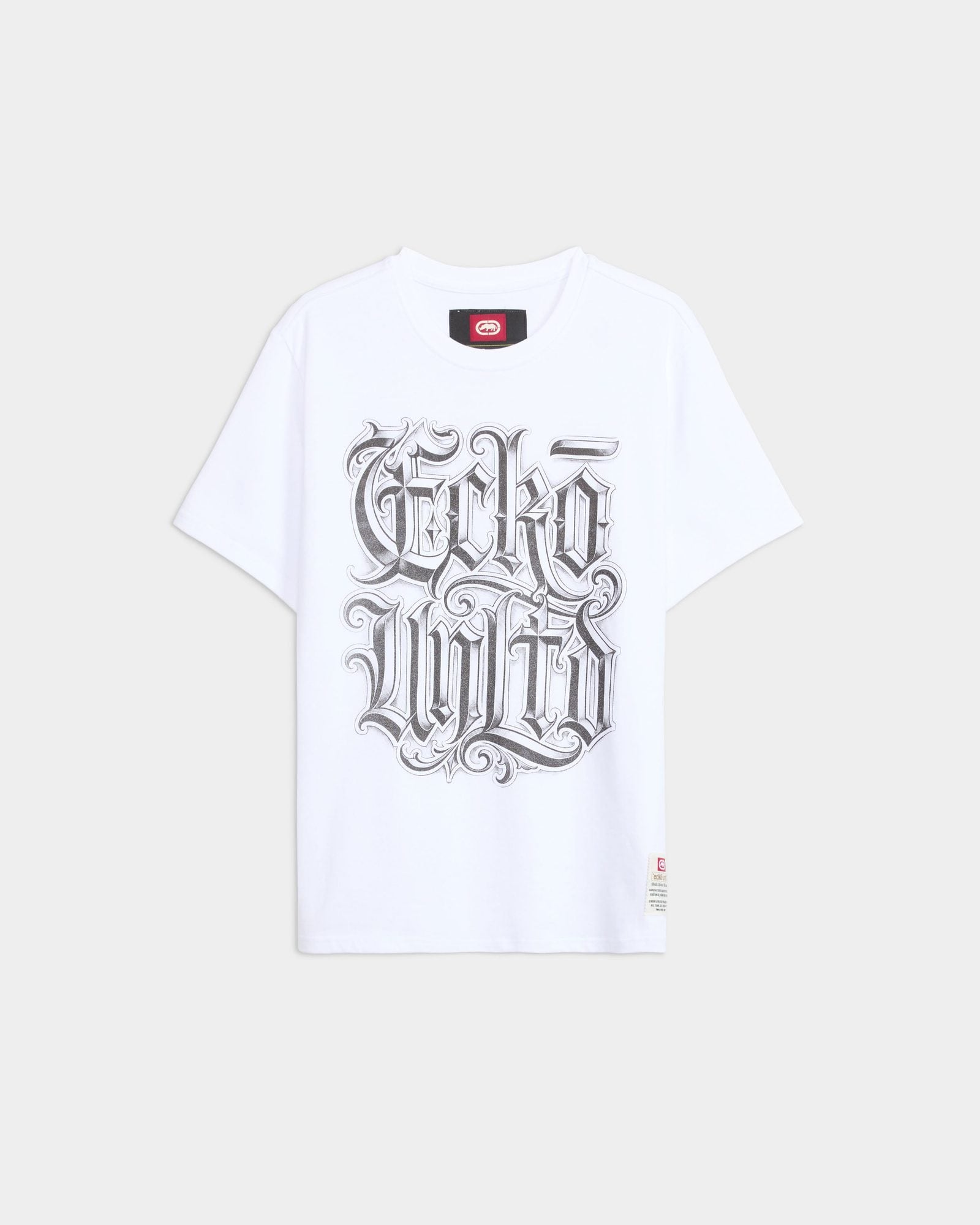
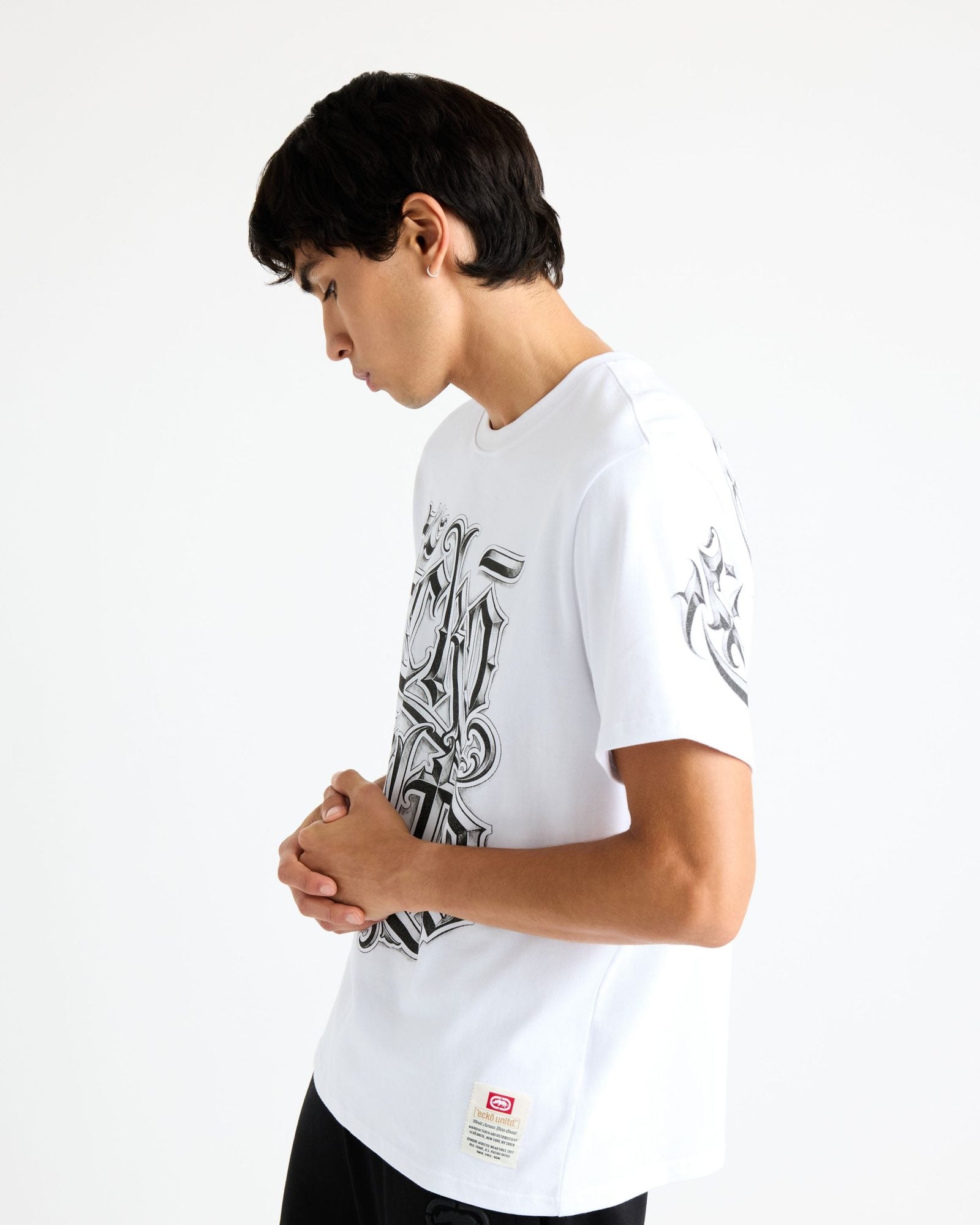
Another frequent mix-up involves treating every loose tee as interchangeable. A boxy fit and a relaxed fit are different cutting decisions with different results on the body. The Leafy On Fire Tee, for example, is cut with an oversized boxy fit and a ribbed crew neck, which creates a squared, structured line rather than a draped one.
By contrast, the City Block Tee uses a classic crew neck with what the brand calls an easy fit, producing a softer, more relaxed line through the body. Both are loose-fitting tees, but they sit differently once worn. Assuming one behaves like the other is a small misread that changes how a whole outfit hangs, especially when a tee is meant to layer under a jacket rather than stand alone.
Graphic Placement and Scale: Why Chest Logos and Front Artwork Matter More Than Visibility Alone
A persistent myth holds that bigger graphics always mean bolder style, while smaller logos mean plainer basics only. The range tells a more layered story than that. The In Charge Tee keeps things quiet with no front graphic at all, relying on a crew neck and short sleeves cut from 100% cotton for its statement.
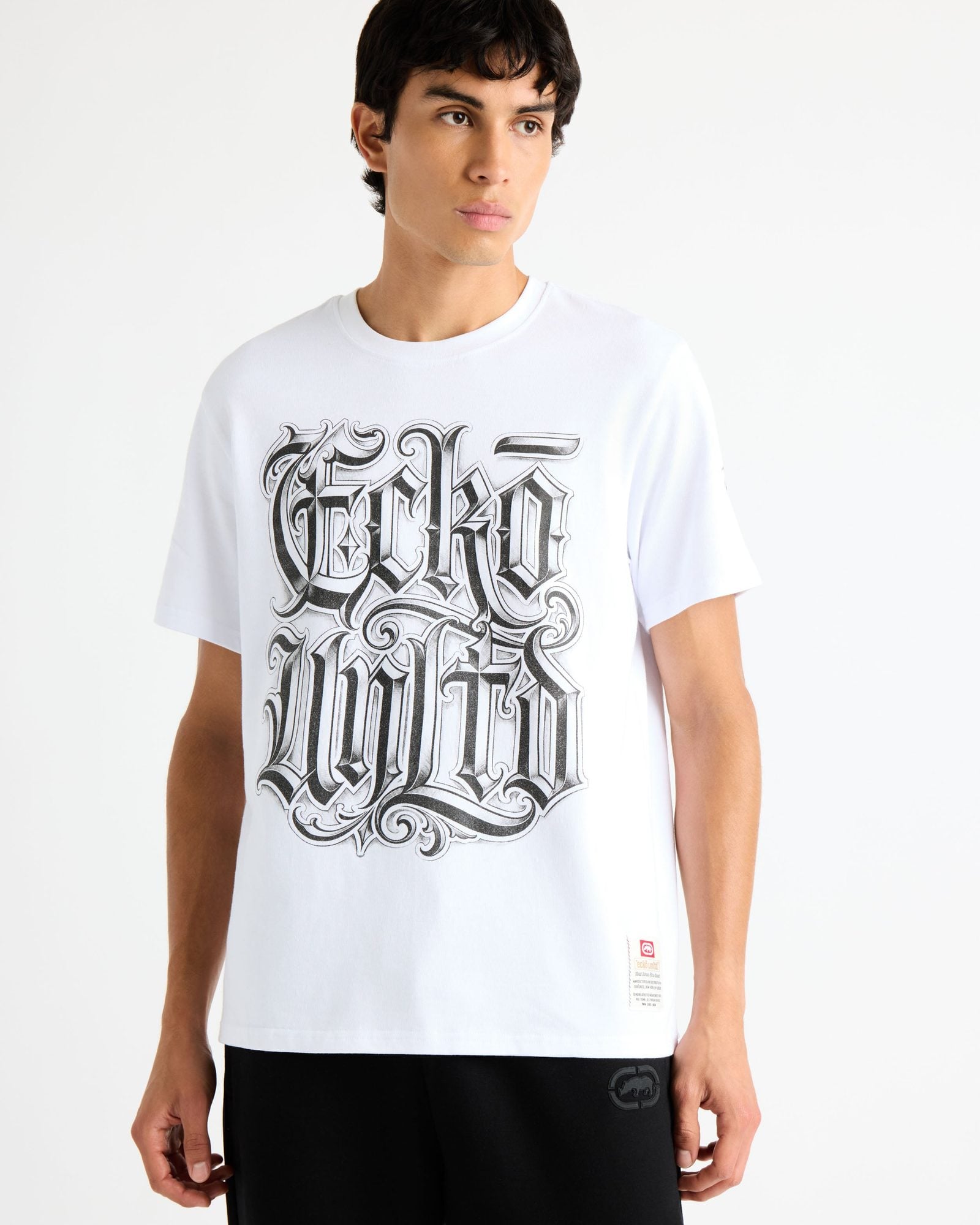
Meanwhile, the City Block Tee carries oversized artwork across the chest alongside graphic lettering, built to draw the eye. The Leafy On Fire Tee splits the difference with a high-density print at the front and a separate Unltd print at the back. Placement and scale are doing different jobs in each case, not just filling space, so reading a tee by logo size alone misses how the rest of the design is built.
Denim Construction Details: How Fold-Over Collars and Cuff Slits Define the Lakewood and Ridgewood Jackets
Denim jackets get lumped together often, as if one cut fits every brand’s version. The Lakewood Denim Jacket from ECKO UNLTD pairs a front button closure and fold-over collar with chest patch pockets, side welt pockets, and cuff button closures, while the Ridgewood Denim Jacket keeps the same front closure and collar but swaps those cuff buttons for cuff slits with button closures instead, a difference that changes how the sleeve sits at the wrist rather than how the jacket closes at the front.
Both jackets carry Ecko logo detailing at the center front, so the pocket and cuff treatment is really what tells them apart. Mistaking one jacket’s details for the other’s is an easy slip when scanning product photos quickly, particularly since the silhouettes look nearly identical from a distance.
Mixing Camo Prints With Solid Basics: Layering Strategies Beyond Monochrome Matching
A widespread assumption holds that camo only works when every piece in an outfit matches the same print. ECKO UNLTD‘s Surplus Camo Denim Pant, built with a loose fit, an all-over camo print, a zip fly with button closure, and logo detailing on the back patch pockets, reads as a standalone statement piece rather than one half of a matching set. Pairing it with solid tees or plain outerwear lets the print carry the look without competing against a second camo piece.
That approach differs from a straight monochrome pairing, where tonal pieces blend together on purpose. Camo trousers paired with a plain tee create contrast instead of blending, which is a different layering idea entirely. Streetwear fit mistakes often start with the assumption that coordination means repetition, when contrast can do just as much work.
- Choosing a size based on a regular-fit tee and expecting an oversized hoodie to sit the same way across the shoulders.
- Assuming a boxy crew-neck tee and a relaxed crew-neck tee will drape identically once worn.
- Overlooking cuff and collar details on a denim jacket before comparing it to a similar style from another line.
- Pairing two camo-printed pieces together without considering how the prints interact at different scales.
- Ignoring fabric content on a hoodie and assuming all fleece behaves the same way after washing.
- Treating a small chest logo as a sign of a plainer, less finished garment compared to a large front graphic.
Fleece Quality and Material Composition in Hoodies: What 80% Cotton and 20% Polyester Actually Delivers
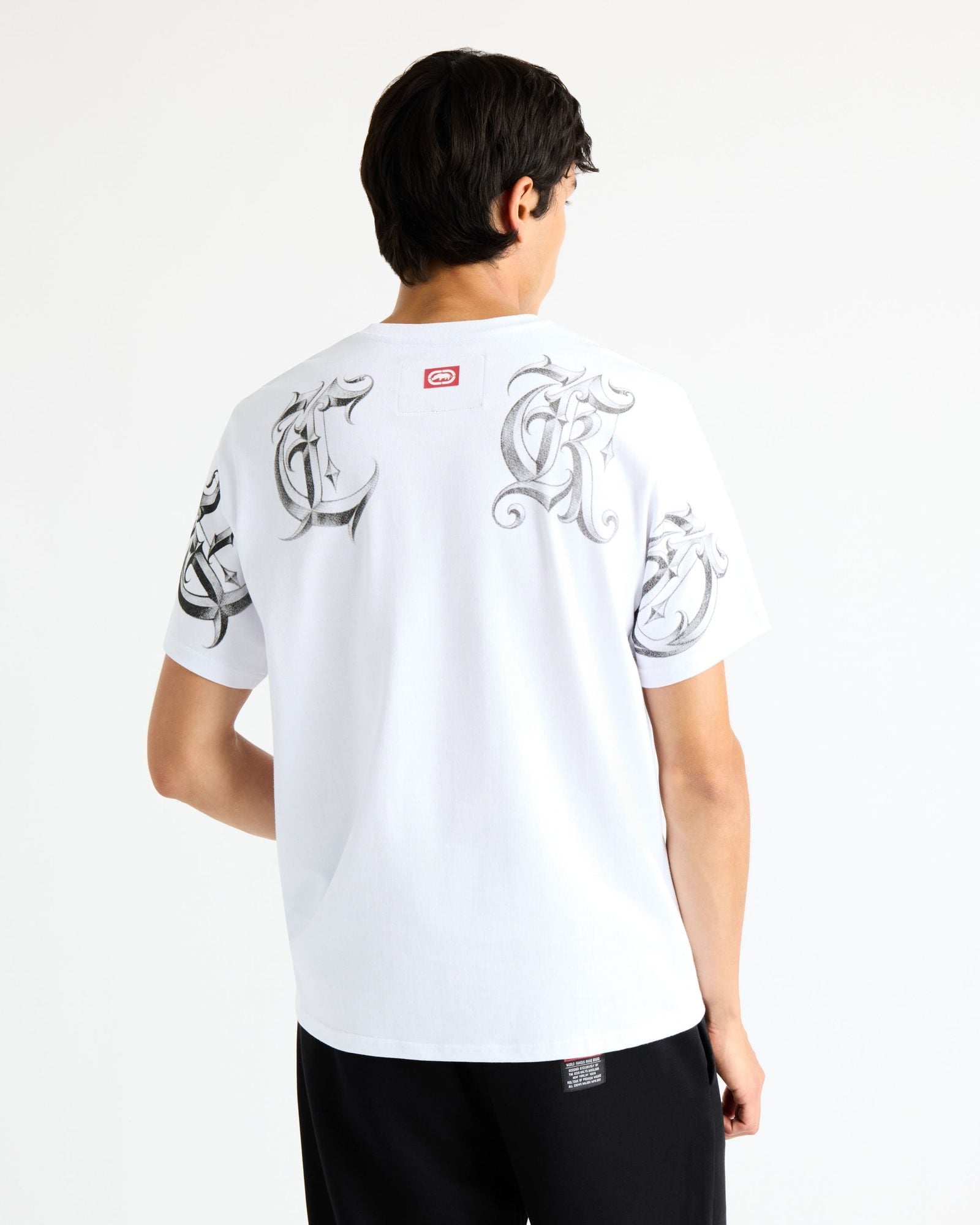
Fabric content gets skipped over far too often in streetwear discussions, yet it shapes how a hoodie actually performs day to day. The Overstand Sleeve Print Hoodie from ECKO UNLTD lists a content of 80% cotton and 20% polyester, with the hood lining built from the same blend, and that ratio sits behind a regular fit, adjustable drawcords, and a kangaroo pocket rather than a plain cotton-only build. The Ecko logo appears at both the front and the hood, keeping the branding consistent with the rest of the construction details already covered.
Knowing the exact fabric split gives a clearer picture than a vague label like “fleece” or “cotton blend” ever could. It explains why a hoodie holds its shape through the drawcords and ribbed hem instead of stretching out of place. For anyone sorting through streetwear fit mistakes, checking the listed material is a more reliable habit than guessing from a photo.
Fit, graphic scale, denim hardware, and fabric content all tell a more specific story than a quick glance at a product photo ever can.