Tennis Shoes and Pickleball Footwear Understanding K-Swiss’s Court-Performance Heritage
🎾 From cult-classic street style to court-ready tech, K-Swiss maps six decades of tennis and pickleball footwear into one lineup.

Lena Ashford
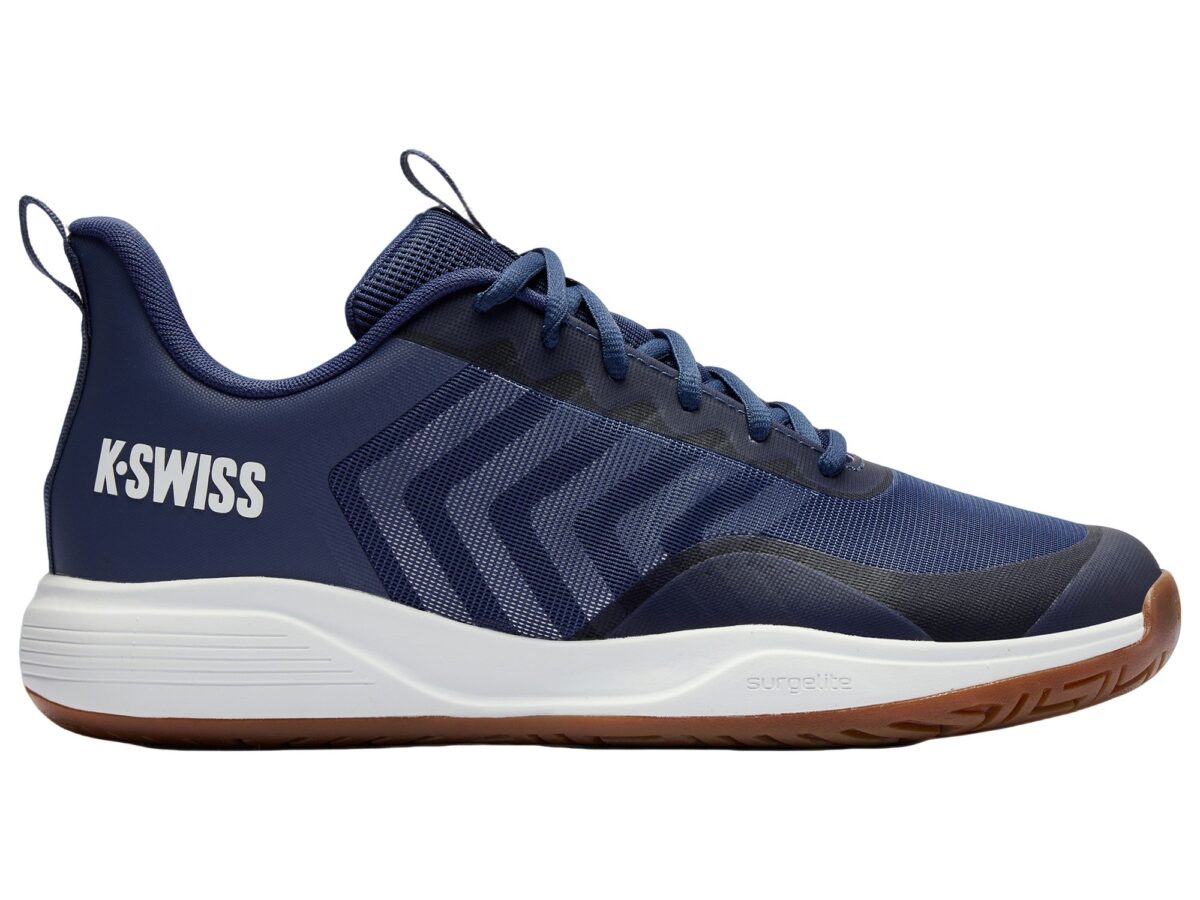
Tennis shoes built for pickleball occupy a strange middle ground between performance gear and everyday sneaker. Shoppers often assume a running shoe will do the job on a court, but lateral stability and outsole grip matter more than cushioning alone. K-Swiss has spent decades refining that specific mix of durability, traction, and breathability for racket sports. Its current lineup shows how the category has grown beyond the baseline tennis shoe into builds made for pickleball as well.
What Defines Tennis and Pickleball Shoes in Modern Athletic Footwear
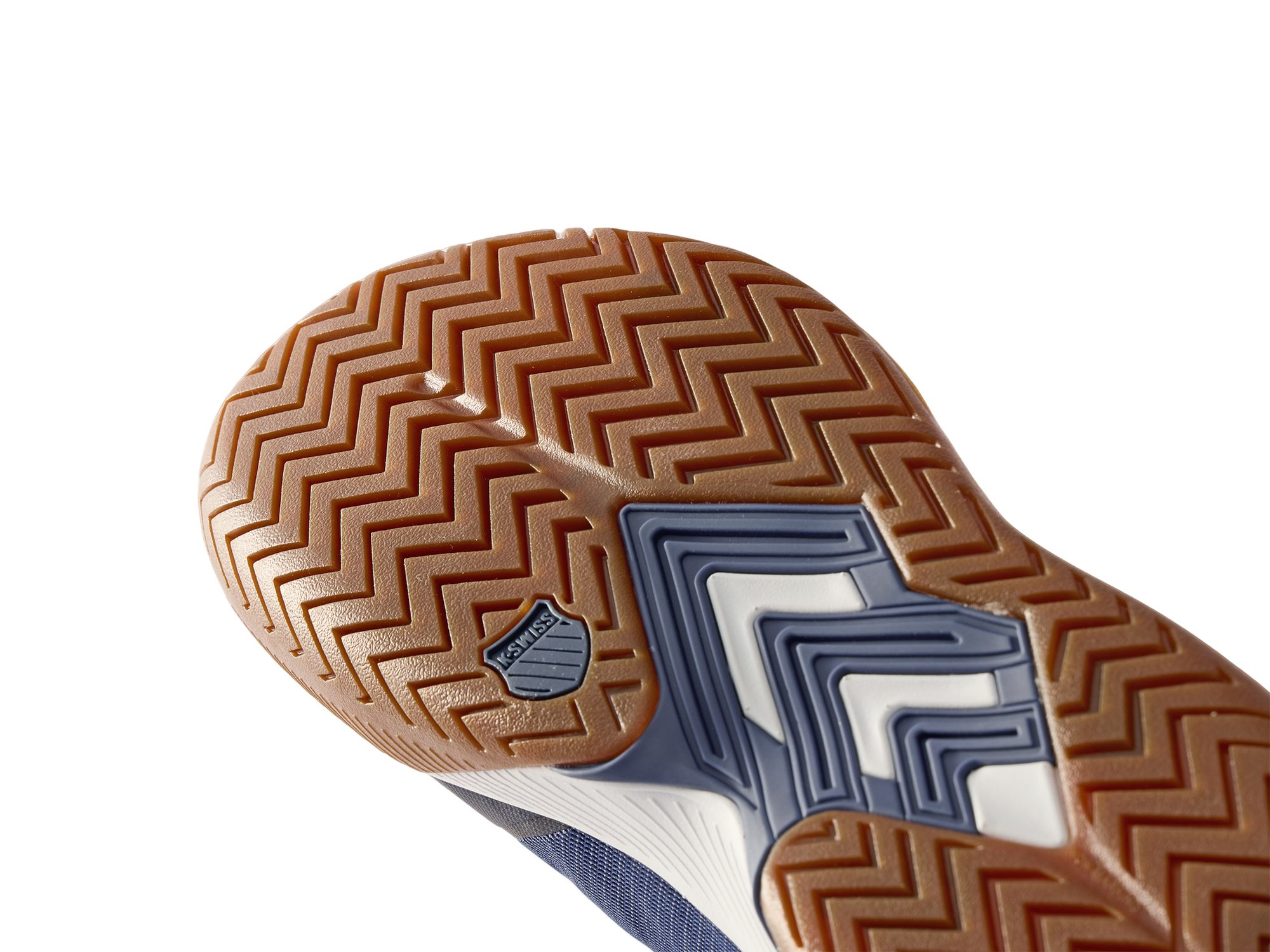
Court shoes differ from road running shoes because the movement pattern is different. Tennis and pickleball both demand quick side-to-side cuts, sudden stops, and pivoting on a flat, hard surface. That means outsoles need multi-directional tread, uppers need lateral reinforcement, and midsoles need to balance cushioning with ground feedback rather than pure softness. Tennis shoes made for pickleball have to survive scraping, sliding, and repeated toe-dragging that a jogging shoe never experiences.
Because of this, brands building for the category pay close attention to outsole rubber compounds and upper durability zones. K-Swiss frames several of its models explicitly around these on-court demands rather than general athletic wear. The result is footwear that reads as a dedicated tool for the court, not a crossover sneaker wearing a tennis label.
K-Swiss’s Heritage as a California Tennis Brand Since Its Founding
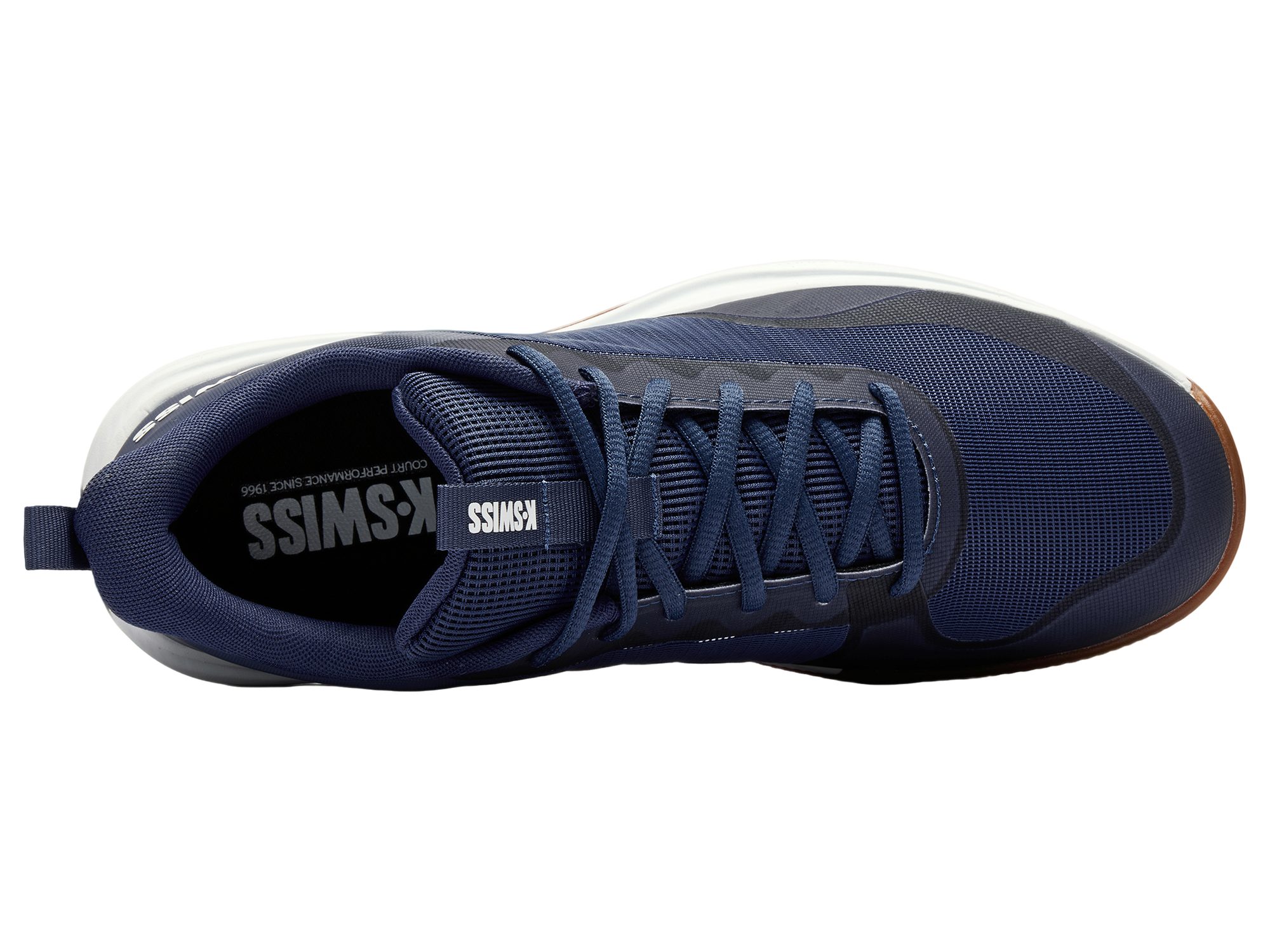
It was founded in California by two Swiss brothers who borrowed design ideas from ski boots to build the Classic, described as the first all-leather tennis shoe. That origin story still anchors the identity of the brand, and its anniversary campaigns lean heavily on tennis culture and Los Angeles court life. The Classic VN, still sold today, traces its design lineage directly back to that original shoe.
Through the decades, K-Swiss built a reputation as a presence on country club and tournament courts alike. The brand now sponsors tour-level athletes including Andrey Rublev, Liudmila Samsonova, Tomas Etcheverry, and Ekaterina Alexandrova, who may play in customized versions of its shoes. That athlete roster keeps the performance credentials of the brand tied to its retail lineup rather than separate from it.
Court-Performance Models: From the Ultrashot 4 to Training Options
The brand organizes its footwear around named models rather than a single flagship, and the range stretches from its most technical tennis shoe to simpler training options. The Ultrashot 4 sits at the top of that range, described as worn by ATP players and built with Surge 7.0 midsole technology for energy return and lateral stability. The Hypercourt Pinnacle and Hypercourt Express 3 follow as other dedicated performance tennis models, with the Express 3 adding a Surgelite+ midsole over its predecessor for added stability without a break-in period.
Further down the lineup sits the SpeedEx, described as a take-down model of the SpeedTrac built for players working on fundamentals. It uses a compression-molded K-EVEA midsole aimed at comfort and stability. This spread of models means K-Swiss covers both tournament-level demands and simpler training needs within the broader tennis and pickleball category.
The ST329: From Tennis Training Shoe to Street-Worn Cult Classic
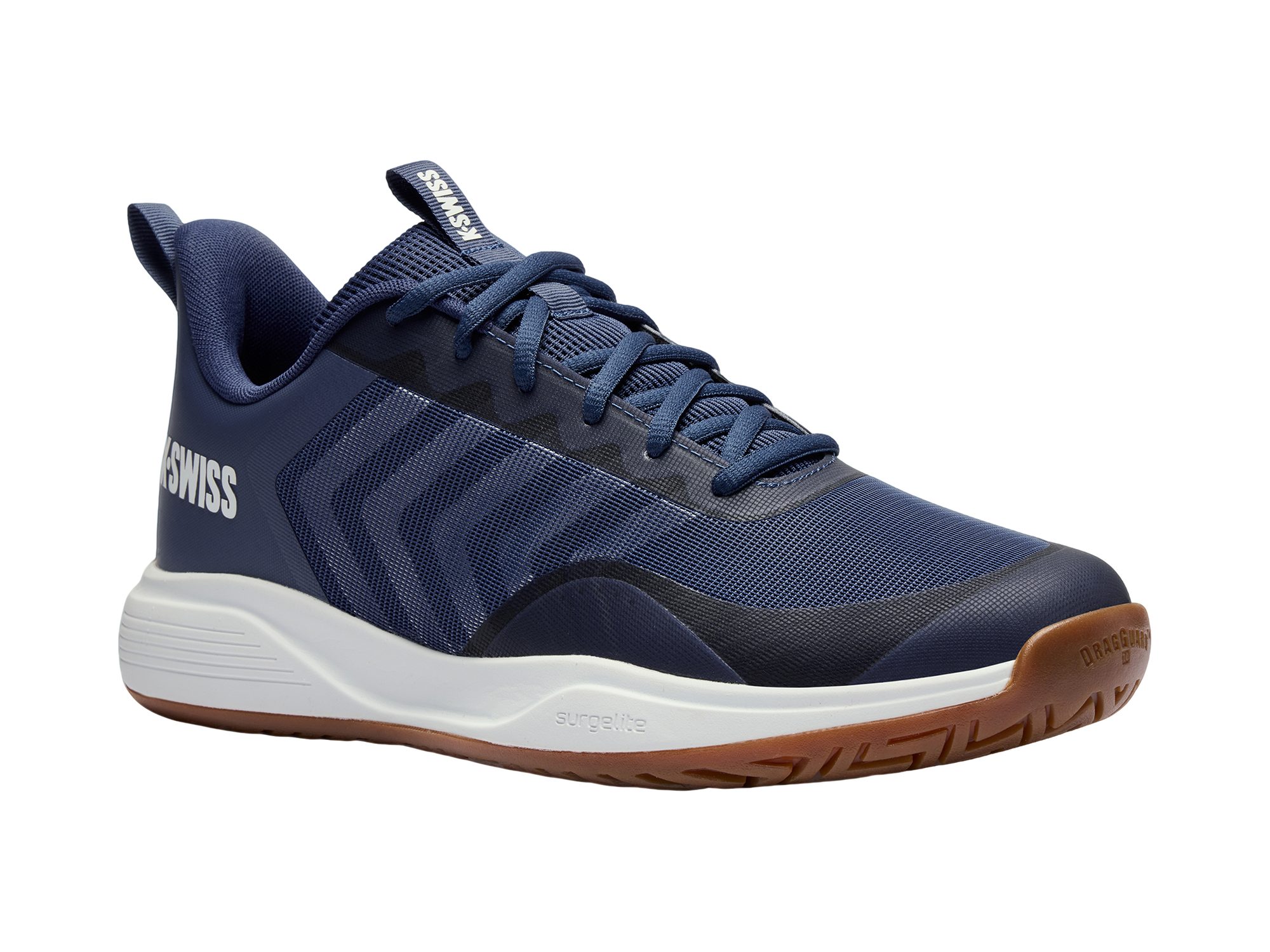
The ST329 began life as a tennis training shoe but has since become what the brand itself calls a cult classic. It keeps a full leather upper, a durable gum rubber outsole, and a sturdy tread pattern originally meant for on-court stability. A K-EVA cushioned midsole and a memory footbed round out the construction, carried over from its training-shoe roots.
That dual identity, part court shoe and part street sneaker, is unusual in the category. Most tennis-specific shoes stay confined to athletic retail, but the ST329 crosses into general sneaker culture while retaining its original build. It remains one of the clearest examples of a shoe designed for the court that found a second life well beyond it.
Lightweight Breathability and Midsole Technology Across the Range
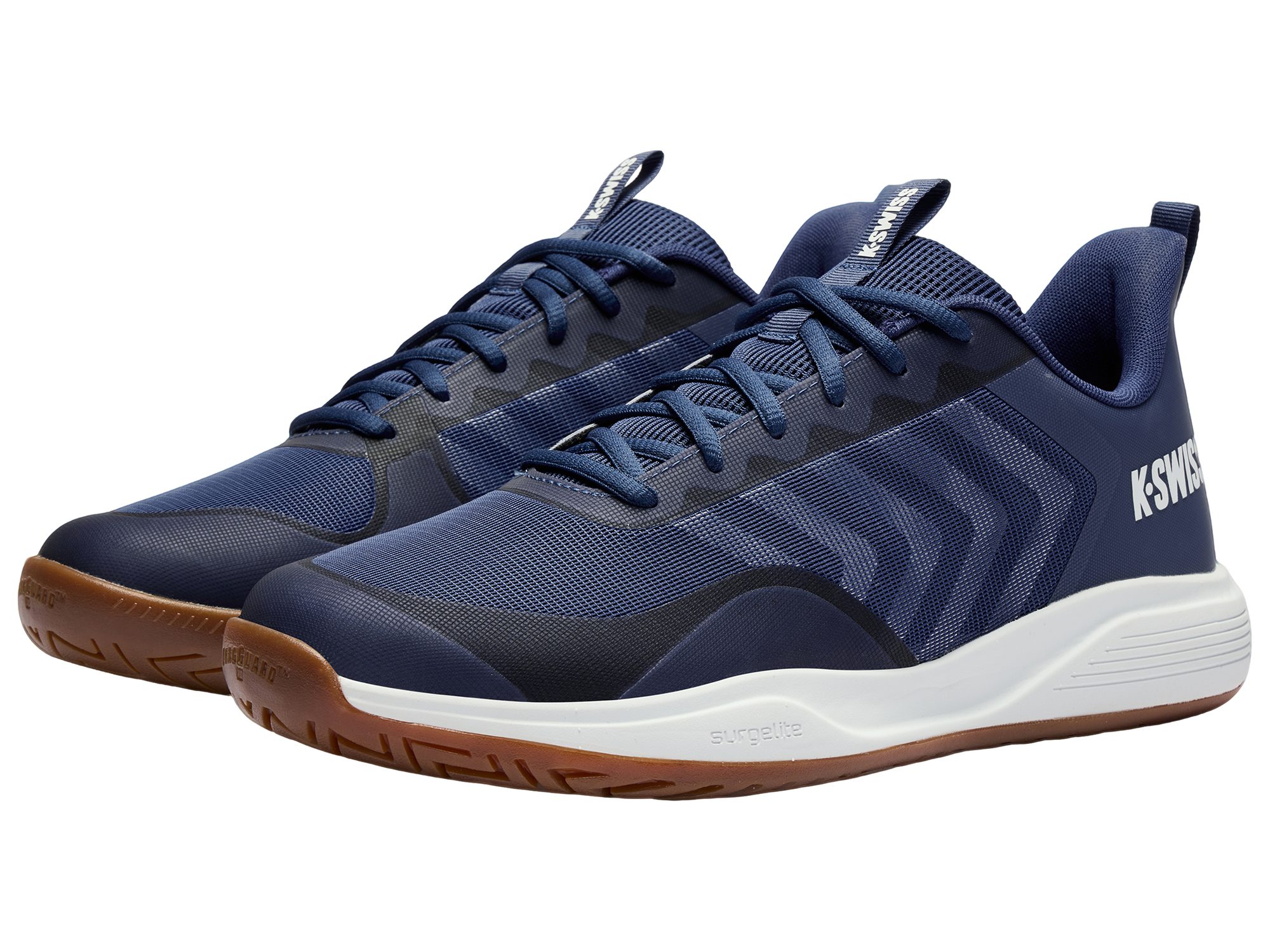
Several K-Swiss models lean on lightweight construction as a selling point rather than an afterthought. The Hypercourt Express 2, described as a top seller, uses Surgelite midsole technology paired with a breathable build suited to varied playing styles. The Ultrashot Light 2 follows a similar idea, pairing a textile and leather upper with a Surgelite EVA midsole for lightweight cushioning on court.
Breathability matters for long matches because feet heat up fast during repeated sprints. A mesh or textile upper lets air move while the player works through points, and K-Swiss applies that approach across several lines rather than one isolated model. The Mellow, while less court-specific, carries the same philosophy with breathable mesh and a durable rubber outsole for daily wear.
K-Swiss Footwear for Different Playing Styles and Court Surfaces
Not every player moves the same way, and The brand spreads its construction choices accordingly. The K-Frame Speed Rublev, co-designed with Andrey Rublev, uses a TPU K-Frame for forefoot stability alongside a Hyper Foam midsole for energy return. Meanwhile, the K-Frame Padel line is built specifically around the movement patterns pickleball demands, separate from the straight-line footwork tennis often calls for.
- Surgelite and Surgelite+ midsoles appear across several models to keep weight down without sacrificing cushioning underfoot.
- Gum rubber and molded rubber outsoles, as seen on the ST329 and Classic Pro, are built for durable traction rather than casual wear.
- Leather and synthetic leather uppers, sometimes paired with textile panels, balance structure with breathability.
- TPU frame elements, like the K-Frame found on the Speed Rublev, add forefoot stability for lateral movement.
- Memory footbeds and CMEVA midsoles show up in training and lifestyle-leaning models for all-day comfort.
Taken together, these choices show that tennis shoes and pickleball shoes are rarely interchangeable with general sneakers. Specific builds serve specific movement needs, and K-Swiss spreads its construction details across the lineup rather than concentrating them in one shoe. The K-Swiss catalog reflects that variety in both its tennis-specific models and its newer pickleball-oriented builds.
As pickleball grows on the same courts where tennis has been played for decades, the footwear built for both sports continues to evolve.