Winter Heat Recovery How HVLS Fans Extend Comfort Into Cold Months
🌬️ Warm air doesn't have to stay stuck at the ceiling all winter, Big Ass Fans keeps it moving right where comfort is needed most.

Lena Ashford
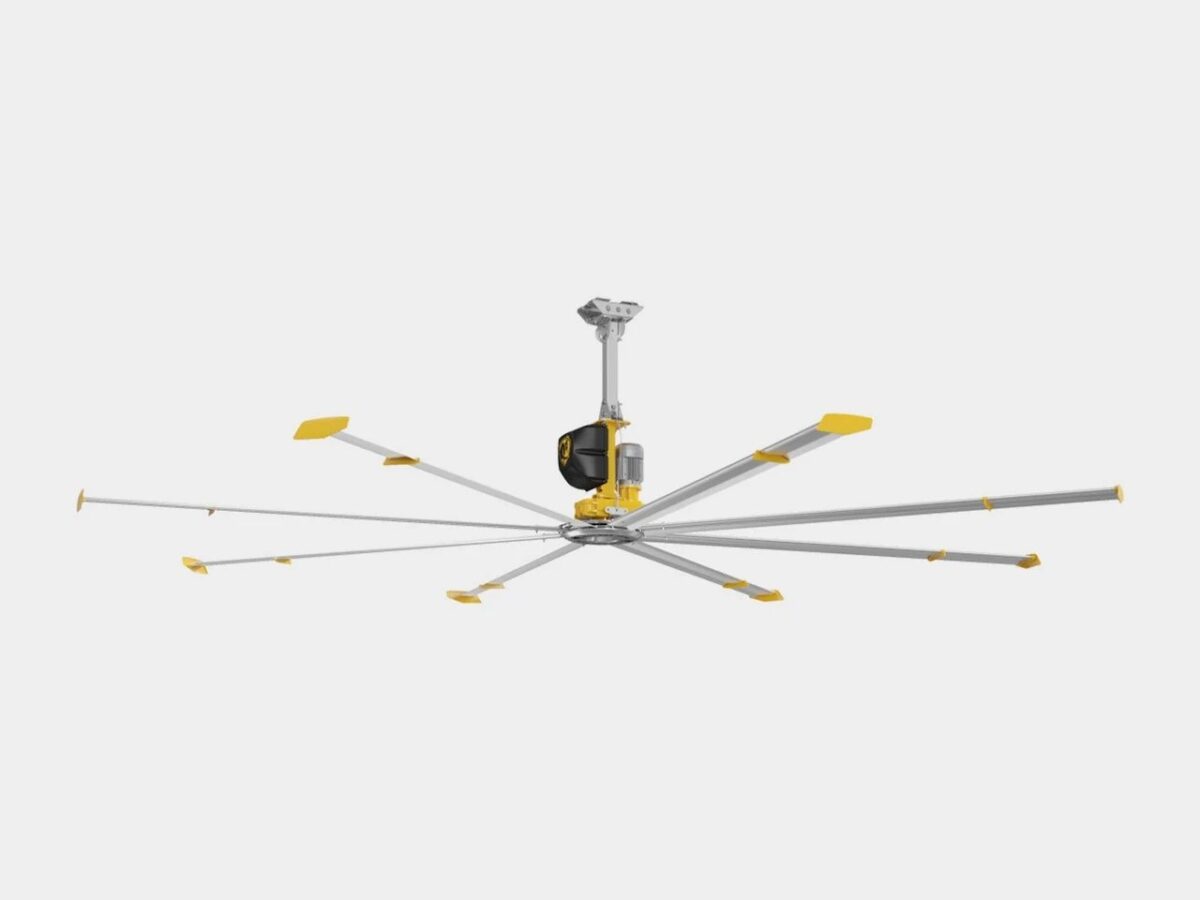
Cold weather brings a familiar problem to warehouses, gyms, and large retail floors. Heat rises and pools near the ceiling, leaving the occupied zone below noticeably colder than a thermostat suggests. HVLS fans winter heating strategies address this by pushing that trapped warm air back down, and Big Ass Fans has built its product range around exactly this kind of large-space air movement.
What HVLS Fans Do in Winter: Heat Stratification and Recirculation
In any building with a tall ceiling, warm air naturally rises and cold air settles near the floor. This layering effect, known as stratification, means a furnace or rooftop unit can run constantly while workers at ground level still feel a draft. High-volume, low-speed fans counter this by moving a broad, slow column of air from ceiling to floor, redistributing the warmth that would otherwise stay out of reach.
Unlike small, high-speed fans that blast air at a single spot, HVLS fans move air across an entire zone rather than one corner of a room. That distinction matters most in winter, when the goal is not a cooling breeze but a gentle, even redistribution of heat that already exists in the space.
Powerfoil® and Essence® HVLS Fans: Winter Airflow Performance
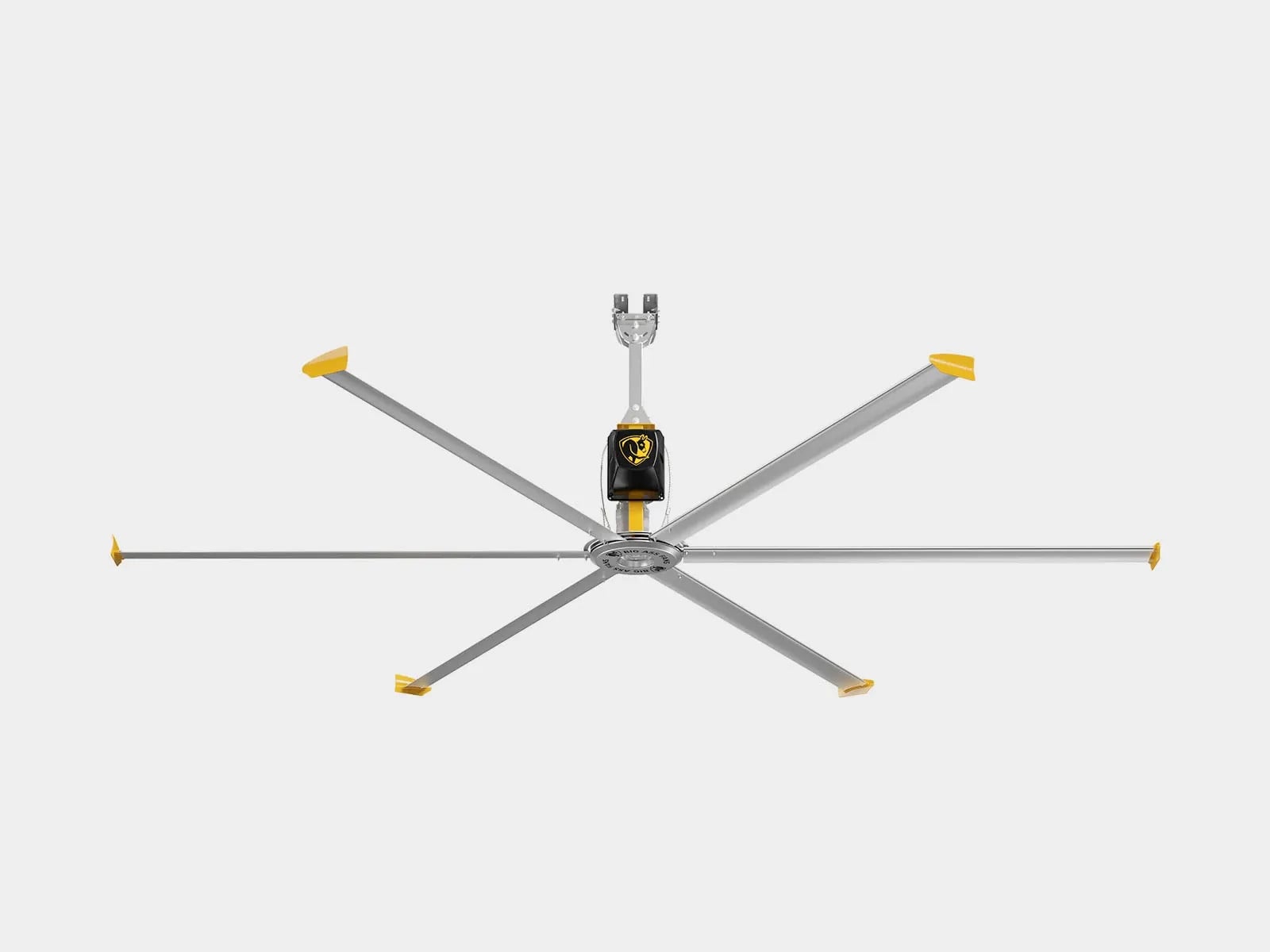
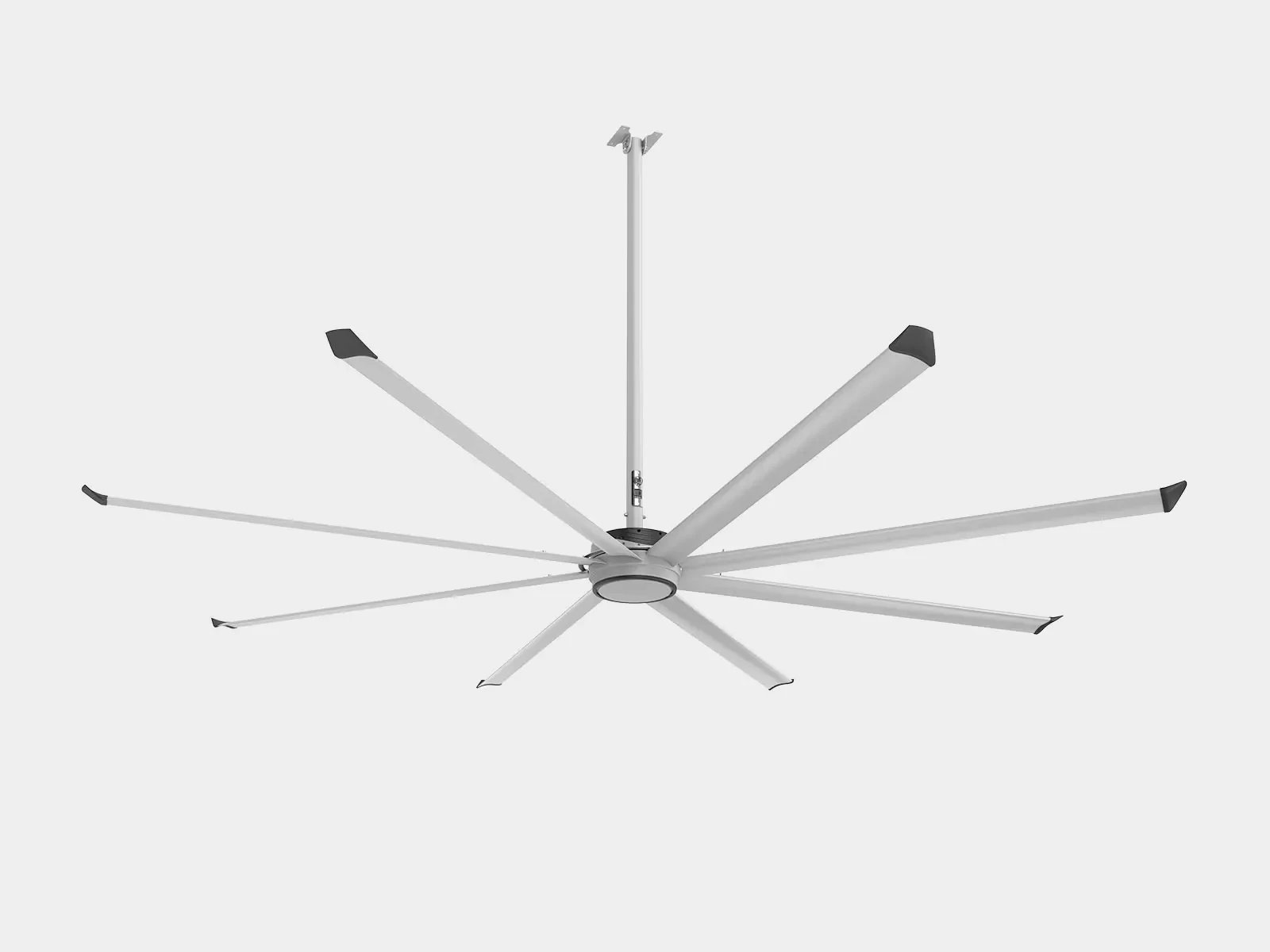
Big Ass Fans offers several HVLS lines built for large interiors, including the Powerfoil® X4, the Powerfoil® 6, the Powerfoil® D, and the Essence® HVLS fan. Each is designed to move a large column of air slowly across wide floor areas, which is the same mechanical action that helps during colder months as it does during summer cooling. These fans are engineered for big spaces such as distribution centers, gyms, and manufacturing floors, where ceiling heights make stratification a persistent issue.
The E Series and ShopFan HVLS fan round out the lineup for facilities with different ceiling heights and layouts. Because the fans operate at low speed, the airflow they generate in winter is typically run at a gentler setting than summer cooling mode, moving warm air downward without creating a noticeable chill. A single 24-foot fan, as described in the brand’s own HVLS materials, can push that column of air down to form what the company calls a floor jet, a pattern that works for both heat recirculation and cooling.
Heat Recovery and Lower Heating Loads
When warm air trapped near a ceiling gets pushed back into the occupied zone, a heating system does not have to work as hard to maintain the same comfort level at floor height. Big Ass Fans positions this kind of heat recirculation as a way to reduce strain on HVAC equipment, since the fans handle air movement while the furnace or heater handles temperature. Facilities with high ceilings, such as the warehouses described in the company’s case study with Ross Stores, Inc., are the clearest examples of where this matters.
That reasoning carries into winter operation too, where the same floor-jet airflow pattern that fights summer heat also helps return rising warm air to where people actually work. HVLS fans winter heating benefits, in this sense, mirror the HVAC-strain reduction the brand describes for its cooling season use.
The Haiku® Ceiling Fan for Smaller Spaces and Residential Winter Comfort
Not every space needs an industrial-scale fan. The Haiku® Ceiling Fan and the Haiku® L Ceiling Fan are designed for smaller rooms, including residential settings, and offer the same basic principle of redistributing stratified air on a smaller scale. These models are built for quiet operation, which matters in bedrooms and living spaces where a loud fan would be a distraction during winter months.
Because residential ceilings are far lower than warehouse ceilings, the degree of stratification is smaller, but it still exists. A slowly rotating ceiling fan in a living room or office can nudge warm air back downward without the strong airflow associated with summer cooling.
Evaporative Coolers and Seasonal Transition Periods
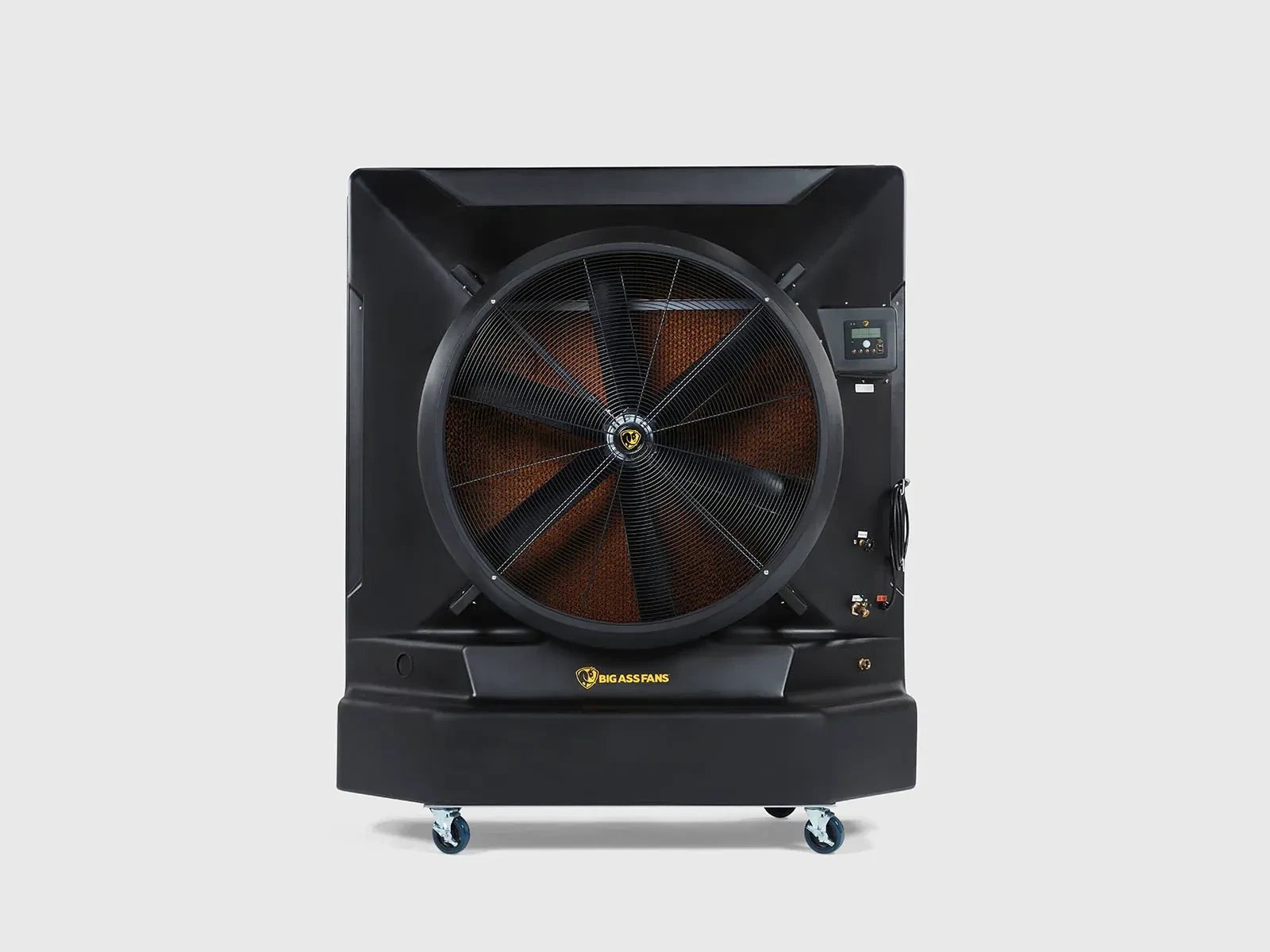
Big Ass Fans also sells evaporative coolers, including the Cool-Space® 500, which serve a different purpose from HVLS or ceiling fans. These units are built primarily for cooling through moisture evaporation, a function suited to warm and dry conditions rather than winter heating. During shoulder seasons, when temperatures swing between warm afternoons and cool mornings, a facility might rely on evaporative cooling at certain hours and fan-driven heat recirculation at others.
Facilities moving between cooling needs and heating needs across the year can draw on different parts of the lineup, since the catalog spans evaporative coolers, HVLS fans, ceiling fans, wall fans, and floor fans. A facility manager comparing those product pages can match a specific model to a specific ceiling height or application rather than settling for one generic unit.
Year-Round Comfort: Managing Air Movement Across Seasons
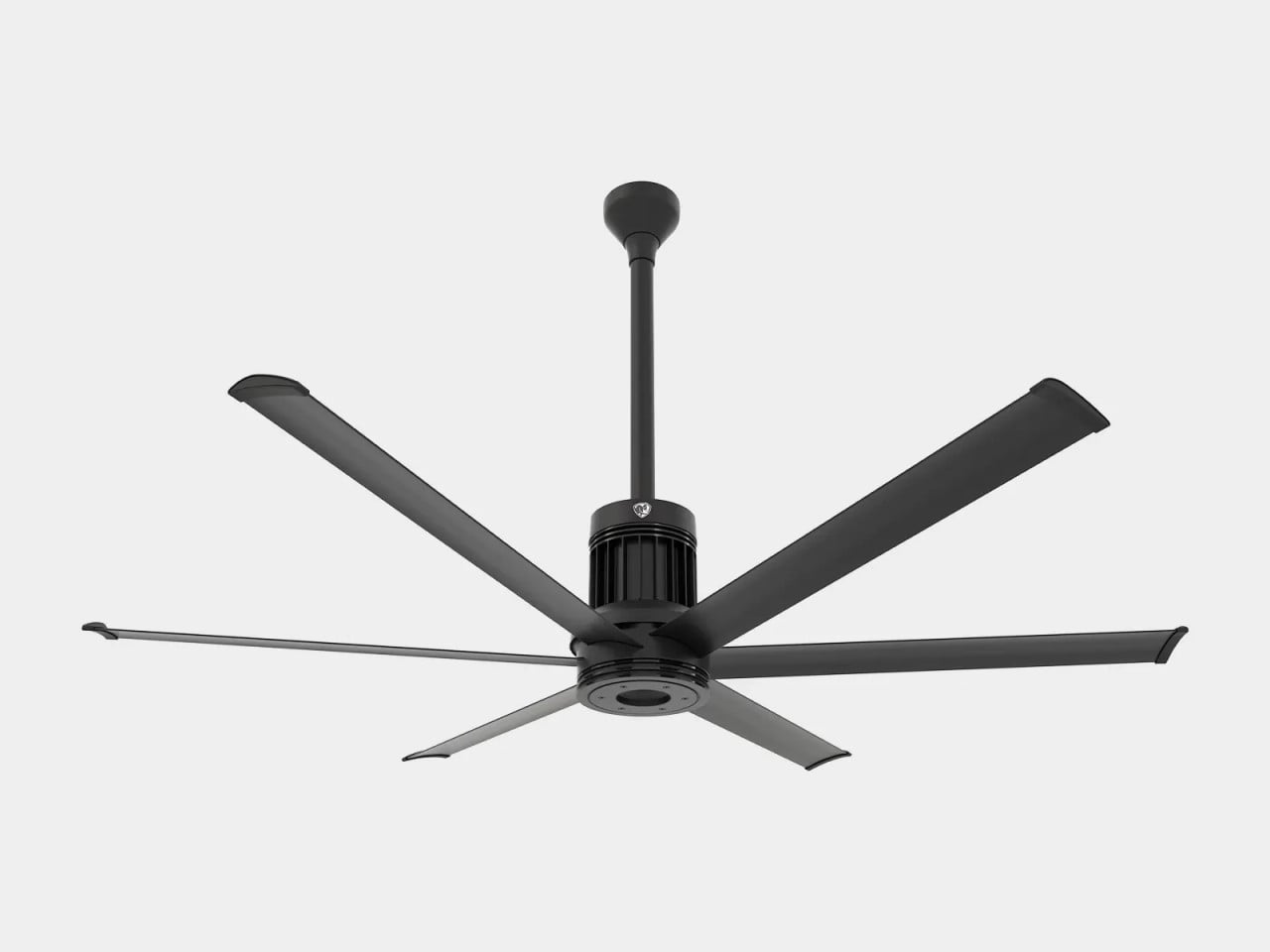
Air movement is not a summer-only consideration once stratification and HVAC strain are factored in. Big Ass Fans builds its HVLS fans, ceiling fans, wall fans, and floor fans around the idea that air circulation matters in every season, not just during heat waves. That design philosophy is reflected across its ceiling fan and HVLS fan pages, which both describe comfort as a year-round goal rather than a seasonal one.
- Warehouses with high ceilings can use HVLS fans to recirculate warm air that would otherwise stay trapped above the work floor.
- Offices and retail spaces can maintain more consistent floor-level temperatures during cold months without relying solely on the heating system.
- Facilities with multiple zones can apply fan-driven air management across an entire building rather than treating each room in isolation.
- Gyms and fitness centers, such as the one featured in the George Mason University case study, can use consistent airflow to manage comfort across demanding indoor environments.
These points illustrate why industrial fans are increasingly discussed as infrastructure rather than seasonal equipment. A fan purchased for summer cooling does not need to sit idle once temperatures drop, provided it is suited to the kind of slow, broad airflow that winter heat recovery requires.
Choosing equipment for HVLS fans winter heating purposes generally comes down to matching fan size and airflow capacity to ceiling height and floor area. Big Ass Fans lists its HVLS models by size and application, which allows that comparison to happen against the dimensions of a specific space.
As colder months set in, the same airflow principles that keep large spaces comfortable in summer continue to apply, just aimed at a different problem overhead.